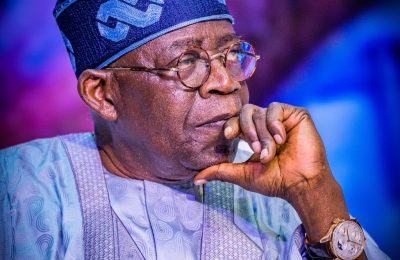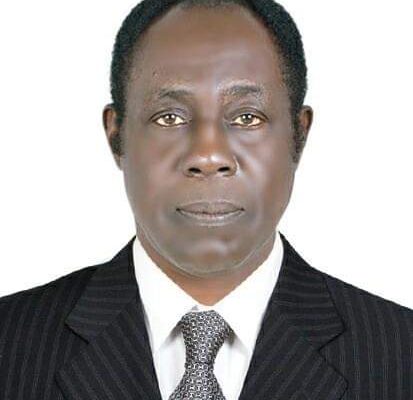

Being part of the lecture delivered by Sir (Dr.) Francis Olubunmi Ilori (M.B.B.S KCW)
For the 6th Emmanuel Alayande Lecture 2020
Organized by Ibadan Grammar School Old Students Association (IGSOSA)
ORTHODOX MEDICINE, TRADITIONAL MEDICINE AND RELIGION:
SYNERGISTS OR ANTAGONISTS TO PERSONAL HEALTH AND LONGEVITY?
OUTLINES
1. Preamble
2. Definition of terms
3. Reasons for the choice of lecture topic
4. LECTURE PROPER
(a) Orthodox Medicine
(b) Traditional Medicine
(c) Herbal Medicine
(d) Religion
(e) Longevity
(f) Conclusion
ORTHODOX MEDICINE, TRADITIONAL MEDICINE AND RELIGION:
SYNERGISTS OR ANTAGONISTS TO PERSONAL HEALTH AND LONGEVITY?
Preamble
I have the pleasure in welcoming all distinguished guests, current and old students general members of the public, gentlemen of the press to the Sixth Emmanuel Alayande Memorial Lecture.
I wish to express my appreciation to the current executive of the Ibadan Grammar School Old Students’ Association (IGSOSA) national body, ably led by the classmate and friend, Professor Timothy Kolawale Jaiyeoba; for finding me worthy to give the year 2020 lecture. I should also commend the foresight of the past old student association leaders, in instituting the biennial lecture.
The importance of these biennial public lectures is worthy of note. Their contributions to the intellectual and socio-political discourse on the local, national and international forums stand remarkable. Venerable Emmanuel Oladipo Alayande (Pa Alayande) was a mortal, but a memorable enigma to all, especially to students who passed out of the school under his tutelage; being the longest tenured principal. His products occupied and continue to occupy important positions in the society. His personal contributions to the nation’s educational, political, religious, intellectual and moral milieu remain indelible.
There is a characteristic which I describe as the “Grammar School Phenomenon”. This, I define as the instant bonding that occurs between two Grammarians wherever and whenever they meet, irrespective of age difference or sex.
I will mention two instances where the “Grammar School phenomenon” came into play, in my own experiences.
My initial posting in the National Youth Service Corps (NYSC), was to 33rd Nigerian Army Beigade in Maiduguri, present capital of Borno State. I remember driving alone on my second leg of journey to Maiduguri, from Kano through Damaturu and Potiskum, at present the hotbed of the Boko Haram insurgence.
I arrived in Maiduguri at 2:00am and reported at the Brigade headquarters. A call was put through to the Brigade Major, the administrative head of the brigade; who unknowingly to me at that time, was Major Jide Alalade (of blessed memory). He happened to be my Senior at Ibadan Grammar School by three years, and he was in Irefin House.
That was one Grammarian that there was hardly any sport or game he did not excel in.
He came at that hour of the night to welcome me, and ensured I was immediately accommodated in the best hotel in town. Together with another Grammarian, Senior Niran Kupoluyi (also of blessed memory), they gave me a good time. Senior Niran Kupoluyi was a senior prefect, and a brother to my classmate, Muyiwa Kupoluyi.
Unfortunately, I left Maiduguri after two weeks because of intolerable heat and flies. I was reposted to Owerri.
My second experience was when I was on a holiday package in 1982, that was to take me, my wife and out only child at that time to London, Washington D.C, Madrid and Rome.
Our first leg of the journey took us to London, where we had a five-day stopover. On the second day of our arrival in London, we went shopping on Oxford Street. Our handbag, containing all our money and passports were stolen in Marks and Spencers. It was easy getting a refund for the money which were in traveler’s cheques, but we needed passports to continue on our trip. The man that was to issue the passports at the Nigerian Embassy, true to the Nigerian character, flatly refused to give us temporary passports. He could only oblige with us travelling certificates, to return to Lagos.
While we were in a shouting match in the Nigerian Embassy Office, Reverend Adeshina, who happened to be one of our Religious Knowledge teachers in Grammar School, came into the office; recognized me, and asked what the cause of the commotion was. He asked the man to issue us new passports. After relevant visas were re-issued to us, we continued on our trips.
The “Grammar School Phenomenon” is a very commendable one.
THE LECTURE PROPER
DEFINITION OF TERMS
The definition of terms as applied, will be in the context to this lecture. Other definitions may apply.
Orthodox Medicine: This is defined as a healthcare system in which practitioners treat diseases using drugs, radiation and surgery.
Traditional Medicine: This is defined as the sum total of knowledge, skill and practices, which are based on theories, beliefs and experiences indigenous to different cultures whether or not they are used in prevention, diagnosis, improvement or treatment of physical and mental illnesses. Examples are Acupuncute, Ayurveda, Oriental Medicine, Naturopathy, Homeopathy, Chiropathy and Osteopathy on the international level; traditional healers and birth attendants on the local level.
Herbal Medicine: This is the use of naturally occurring, plant derived substances, with minimal or no industrial processing, in the treatment of illnesses within local or regional health practices.
This is intimately related to traditional medicine.
Religion: Defined as a particular system of faith and worship or the belief in a personal God or gods. Also, a pursuit of interest followed with great devotion.
Synergy: The creation of a whole that is greater than the simple sum of the parts or simply, working together.
Antagonist: A person or subject that actively opposes or is hostile to someone or something.
Personal Health: A state of individual’s physical, mental and social well-being, in which disease and infirmity are absent.
Longevity: Long existence or service.
REASONS FOR CHOICE FOR THE LECTURE TOPIC
To lay bare the facts in the practices of orthodox, traditional, herbal medicines and religion as they relate to their influence on personal health and longevity; and whether they act in consonance or otherwise in promoting personal health and longevity.
To challenge my listeners with facts relating to the four practices aforementioned, for them to be able to make informed decisions on their personal health matters.
To make my listeners to be wary of who is a Doctor and who is not. Some online posts are said to be authored by “Doctors”. We should realize that not all persons referred to as Doctors, attended a medical school. In some countries like India, China and even in Nigeria, Traditional and Herbal practitioners are sometimes referred to as “Doctors”.
So the lesson here is to be wary of online posts, and to check the qualifications of the persons putting up the posts.
ORTHODOX MEDICINE
Synonyms: Allopathic medicine, biomedicine, conventional medicine, mainstream medicine.
Definition – as given earlier.
People erroneously define orthodox medicine as being western-oriented medicine or European medicine. However, the practice is worldwide and not limited to Europe. There is hardly any country in the world where it is not practiced. Its language is universal though it may be in different tongues. By this I mean if a Doctor is talking to another in a language which one party does not understand, it takes only an interpretation for the other Doctor to fully grasp what the fellow Doctor is saying.
Orthodox Medicine is based on the fundamental laws of natural sciences (Physics, Chemistry and Biology), as they relate to the human body. It is noteworthy that not all drugs in orthodox medical practice are chemicals. A sizeable number is derivable from plants.
The key in orthodox medicine is that the approach is scientific, and the practice is multidisciplinary. Let me buttress this assertion with an example from the current Corona Virus pandemic.
A person that is infected with Corona Virus, will present in one of three forms – asymptomatic, mild or severe.
An asymptomatic patient is not ill, but will have positive Covid-19 test. Such patients from contact tracing studies, have been found not to be as infectious as was once believed.
The patient with mild presentation will present with cough, sore throat, fever, malaise, runny nose, loss of taste or smell. These symptoms are not specific for corona virus, but to most upper viral respiratory tract infections.
The severely ill Covid-19 patient will present, in addition to the symptoms listed above, with breathing difficulties, abdominal pain with diarrhea or vomiting, widespread clotting of blood in the body with toxic effects on the heart (myocarditis), kidneys (kidney failure), brain (encephalitis) and multi-organ failure (brain, heart, lungs, kidneys).
A Doctor seeing a patient presenting with all the symptoms above, still cannot conclude that the patient has Covid-19 infection, as there are other infections that can present similarly. He will examine the patient, and list his/her observations and findings. Even after this, he will still need to conduct tests. Laboratory tests including throat swab, blood and urine tests, chest x-ray, probably a CT scan and specific test for corona virus (Polymerase chain reaction test or PCR test). With these array of tests, he will be able to arrive at a diagnosis.
Treatment will depend on the severity, and may include drugs, oxygenation, ventilators or extra-corporeal oxygenation. Other supportive treatments will also come into play.
Note the stepwise and scientific approach in arriving at a diagnosis involving a clinician, laboratory scientists (hematologist, micro-biologist, immunologist), a radiographer/radiologist, intensivitists, nurses, physiotherapists, respiratory physician, nephrologist, neurologist, cardiologist e.t.c)
These highlight the dynamics and beauty of orthodox medical practice.
Let me correct the impression that orthodox medical practice is ineffective in mental illness, a belief that is widespread among Nigerians. A sizeable number of mental illnesses can be managed effectively with orthodox treatment. In most cases, treatment may be for life and may involve drugs, brain stimulation, psychoteraphy, physiotheraphy e.t.c.
Also, most cancers are now curable if diagnosed early. Early diagnosis means the cancer is picked up when it is still confined to be organ involved, having not spread beyond the organ. Surgery, chemotheraphy and radiotheraphy, either alone or in combination willcure most organ confined cancers.
The problem Doctors have with their patients especially in Nigeria, is that most patients especially in Nigeria, is that most patients desire a on and off treatment. But most chronic illnesses may or will require monitoring and perhaps treatment for life. Such illnesses as hypertension, diabetes mellitus, heart failure, osteoarthritis come as ready examples.
I should also mention that there is hardly any drug without side effects, ranging from mild to severe. A lot of considerations are taken into accounts before Doctors prescribe a drug.
The argument that herbal drugs have no side effects, cannot be substantiated, since only in very few cases have controlled studies been done to ascertain or buttress such assertion.
There is no contending the fact that orthodox medicare does not and cannot come cheap at all. Due to its thorough nature, with many professionals involved in the treatment of just one person, wuch cannot but be unexpected.
This is the reason for advocating subsidized treatment by the government and pooled resources in form of health insurance.
Orthodox Medicine can take care of a sizeable percentage of healthcare problems, but not all. Inability to care for all health issues is not a setback but a challenge to continuing medical research in orthodox medicine. Professionals that are involved in the practice of orthodox medicine are duly trained and certified. They have profound knowledge on how the human body functions in health and in diseased states.
TRADITIONAL MEDICINE
Definition – As earlier given
From the definition, it can be seen that traditional medicine thrives on culture, hence the concept of cultural competence as being very relevant in the practice of this type of medicine. Cultural competence refers to the ability of traditional healthcare practitioners to demonstrate cultural understanding towards their patients with diverse values, beliefs and feelings. Cultural competence can improve patients’ quality of life and healthcare outcomes.
Strategies to move healthcare practitioners towards the goal include cultural competence training and developing policies and procedures that decrease the barriers towards achieving this goal. At the local level, this is exemplified by government’s training and inculcation of traditional birth attendants and healers into the healthcare system.
Traditional healthcare providers must care for their patients as whole beings, taking care of the body, mind and spirit.
Patient’s behavior, beliefs and values are shaped by factors such as ethnicity, gender, language, mental ability, nationality, occupation, race, religion, sexual orientation and socio-economic status.
Some Examples of Traditional Medicine Practice
As defined, traditional medicine originated from traditional and cultural practices, in relation to geographical location.
There are traditional medicine practices that are indigenous to certain countries.
For example in Nigeria, traditional birth attendants have been introduced to the healthcare system.
However, I have chosen for mention, traditional medicine practices, which at the outset were limited to some countries, but over time have attained some degree of international recognition.
I listed seven of such traditional medicine practices and what they are involved in. you will find one or the other of these practices in most countries in the world.
Acupuncture: This Chinese traditional medicine in which needles are inserted into various points in the body, solely in the treatment of pain.
Acupuncture centres abound in Nigeria, especially in Lagos. I recall Dr. Faseun, the Odua People’s Congress (OPC) founder, as the first Nigerian to be trained as an Acupuncturist.
Ayurveda: This has its root in India. It is based on the belief that health and wellness depend on a delicate balance between mind, body and spirit. India’s orthodox practitioners classify it as quackery.
Chiropathy: This is concerned with diagnosis and treatment of mechanical disorders of the musculoskeletal system, notably the spinal cord.
Osteopathy: Treatment of medical disorders through manipulation and massage of the skeleton and musculature.
Homeopathy: This is based on the belief that the body cures itself, using tiny amounts of natural substances such as plants and minerals.
Naturopathy: This is based on the healing power of nature and it supports the body’s ability to heal itself. Homeopathy is encompassed under this.
Chinese or Oriental Medicine: Also called traditional Chineses medicine. It includes acupuncture, diet, herbal herbal therapy, meditation, physical exercise and massage.
I wish to state here that these Seven traditional medicine practices are termed pseudoscience by orthodox practitioners because they have no clear-cut scientific basis for their practices, unlike orthodox medicine.
Under this topic, I will like to mention in reference to Nigeria, the role of traditional birth attendants, traditional bone setters and different types of traditional healers (registered and unregistered).
Traditional birth attendants have been introduced by government into the healthcare system. They are trained. The introduction was borne out of shortage of trained professionals (Doctors, Obstetricians, Mid-wives etc.) in the healthcare system. This is mostly felt in the rural areas, as most trained personnel prefer to practice in the cities which are lucrative and comfortable.
This has resulted in increased maternal morbidity and mortality at child birth, especially among the rural population.
Traditional birth attendants provide the back bone in the reduction of maternal morbidity and mortality, particularly among the rural population.
A good number of them operate within their operational guidelines, especially recognizing when labour is distressed, and referring to the appropriate centres. A few misguided ones have constituted themselves into village “doctors”, acting outside their mandate.
Traditional bone setters abound in various cities and rural areas of the country. These do not have formal training but learnt from older persons who have gathered experience in the art.
They are not included in the government healthcare system. Our experience has been that the healing outcomes of most of their treatments include bone misalignment, residual deformities across the fracture lines and joint stiffness in joints close to the injured area.
In modern day practice of orthopedics, such outcomes are unacceptable as they impede or impair patient’s mobility, a critical factor to his social and economic life. Nobody has given thought to training them because orthopedic, as a specialty in medicine, is a precise science; incomparable to labour which is a natural phenomenon.
Traditional healers are being introduced into the government healthcare system. This noble idea is beset with a myriad of problems including training standardization, herbal drug standardization, herbal drug standardization and an array of fake traditional healers.
It is difficult for the populace to distinguish between a fake and a genuine traditional healer.
One will have come across loud speakers mounted at strategic bus stations and markets, in which healers advertise their art; same is done on the radio and mounted speakers on vehicles. Signboards are not exempted in the advertisement.
I have listened to some of these adverts. Most of the diseases they claim to be able to cure, are things that can only be cured by surgery. Examples include hernia, fibroid, bleeding piles, some types of barrenness or infertility. They also claim to be able to cure stroke, not recognizing that there are different types of stroke with different causes, different outcomes and hence different treatments!
I am sure you must also have heard of claims by traditional healers to be able to cure staphylococcus infection in urine. This is a bogus claim as staphylococcus is not a recognized pathogen in the urinary tract. Most of the staphylococcus aureus isolated in urine microscopy and culture, are from contaminants either from poor collection method or the specimen bottles!
We also have traditional psychiatrists whose modus operandi is to chain their patients and beat the hell out of them. It is being discovered that chemicals in the brain called neuro-transmitters play some part in the genesis of mental illness. Effective drugs are being developed to take care of this. So the traditional psychiatrist’s way of treatment is inuman, and stands discouraged and condemned.
A variant of the traditional psychiatrist is the spiritualist, who claims to be able to exorcise the evil spirit causing mental illnesses. Their effectiveness and that of the traditional psychiatrist stand unproven and unacceptable in modern psychiatric care.
These scenarios have produced a muddled picture that makes it difficult to judge the effectiveness of the treatment of illnesses by our traditional healers. It is unlike what obtains in the developed world, where traditional medicine practitioners are limited to specific areas of treatment.
HERBAL MEDICINE
This is one aspect of traditional medicine.
Definition – as given earlier.
Herbal medicine has been in existence ever since human beings inhabits the earth.
The earliest practice of herbal medicine I can recall is in the book of Isaiah 38:21, where Prophet Isaiah was sent by God to King Hezekiah. Apart from the message of prolonging his lifespan after making him well, Isaiah specifically requested for a lump of figs to be placed on Hezekiah’s boil for healing and recovery of his illnesses.
Some traditional herbal drugs are effective in some diseases, and ineffective in others. It is noteworthy that some drugs are extracted from plants, and compounded into tablets, injections and syrups. Ready examples are digoxin and quinine. Digoxin is used in orthodox practice for the treatment of heart failure, while quinine is an anti-malaria. The drawback in herbal medicine lies in not isolating the active pharmacological compound in a multiple of compounds present in a herbal mixture. For an unbiased and scientific mind, a herbal mixture can contain useful and effective compounds along with compounds that are injurious to the organ-systems in the body. On this, let me recall my experience as a clinical student on posting in the children’s emergency room.
Uniformed parents used to administer cow’s urine to convulsing children as a remedy. Cow’s urine toxicity in the human body includes:
Depression of respiration causing hypoventilation
Toxicity on the heart causing hypotension
Lowers the blood sugar
These will compound and worsen the convulsing state.
Countries like China, India, the Arab world and some European countries, have training programmes for their herbal practitioners, unlike in some countries where just anyone can claim to be a herbal practitioner, without training or certification. How will the latter set of practitioners know what compounds they are administering, their effects on organ-systems in the body in addition to their effectiveness on the disease(s) they are treating? This has been the crux between herbal practitioners and their orthodox counterparts.
We also see how herbal drugs are prepared and hawked by just anyone in Nigeria. Anyone can gather plants from the bush, boil it in water to extract its constituents, bottle and hawk it as a herbal drug in Nigeria.
Such herbs are hawked on the streets by young ladies, sold in vehicles with mounted loud speakers or at some unregistered shops scattered all over Nigerian cities. Some established herbal drug companies advertise their wares on the radio.
One interesting thing I discover among these young ladies that hawk herbal drugs on the streets is that the local gin is a ready constituent of their products. Nobody is sure the percentage alcohol in this local gin that is added to these herbal drugs.
Another very worrysome thing is that some of these herbal medicines contain drugs used in the hospital practice. Hypertensive drugs, major tranquilizers such as lagertcil, and some other ethical drugs are added to herbal drugs! Nobody knows the concentration of these drugs added to herbal medicines, hence the expected side effects and toxicity are for guesswork.
Some herbal drugs are claimed to be the treatment for diverse diseases. A herbal drug can be claimed to treat typhoid, malaria, infertility, dysentery and other diseases! What an absurdity and contradictions in function?
While I was training, and in my earlier years in practice, chronic kidney failures were not as common as we have today. The alarming rate of kidney failure cases in present day Nigeria is disturbing. Preliminary information from long-term studies being conducted on causes of kidney failure in Nigeria, is pointing at unrestricted, unguarded and unguided use of herbal drugs.
Apart from the herbal drugs locally made, Nigeria has also become a dumping ground for all sorts of herbal drugs and supplements from the far east – India, China, The Philippines, Korea etc. to name a few. The crave and craze for herbal medicines fuel its importation and dumping by these countries.
There is the erroneous belief that herbal drugs have no side effects because they are made from plants. What a fallacy! Plants contain toxic and non-toxic compounds. There is need to use informed knowledge to separate non-toxic and beneficial compounds from the toxic ones. Merely consuming herbal medications as made, especially in the Nigerian setting, is unwise and dangerous. There is need for government to step in and be involved in all protocols on herbal medicines just as it is doing with drugs and the pharmaceutical industry.
I should like to talk on the writing of the National Agency for Food and Drug Control (NAFDAC) certification Number on herbal drugs. NAFDAC number on herbal drug has been tested for the constituents it is said to contain by the presenter, and that such constituents are safe for human consumption.
The certification number does not imply that the herbal drug can perform the functions or healing it is claimed to be capable of by the presenter. The product has to be presented for clinical trial to confirm its actions.
Remarkably, some countries, in order to overcome this major drawback in herbal medical practice, are involving professionals (pharmacologists, pharmacists, toxicologists, medical research scientists, clinicians etc) in researching and refining of herbal medicine products.
I personally witnessed this development in my brief sojourn in Germany and the United Arab Emirates. You can pick up a herbal drug in these countries and it will be packed like an orthodox drug, with the literature enclosed, detailing its composition, administration, dose, side effects etc. This is a big leap forward for herbal medicine practice and is worthy of encouragement and emulation by our herbal practitioners.
However, a situation where professionals are being involved in preparing herbal drugs, can it still be termed as herbal medicine in the strictest definition of the term?
The practice where an untrained or uneducated individual gathers plants from the bush, boils and extracts its constituents to be dispensed directly as medicine, stands condemned and unacceptable. It is a minus to personal health and longevity.
The power of herbs lies in their wealth of protective polyphenois; plant compounds with potent antioxidant and anti-inflammatory effects. Plants, as earlier mentioned are important sources for pharmaceutical manufacturing.
RELIGION
Religion and spirituality are important factors in majority of patients seeking healthcare. Unfortunately, healthcare providers may not take religious beliefs into account when dealing with difficult medical decisions for patients and their families.
In the history of man, religious leaders often doubled as healthcare providers. Ready examples are seen in various healing feats by Jesus Christ and his disciples, as narrated in the gospels and Acts of the Apostles. Only in recent history, has medicine taken on a scientific approach that has separated it from religion.
The challenge for healthcare professionals is understanding that their patients’ often turn to their religious and spiritual beliefs, when making health decisions.
Religion and spirituality can impact decision regarding diet, medicines based on animal products and the preferred gender of their healthcare providers. Some religious have strict prayer time that may interfere with medical treatment.
An example of these is insulin, a critical drug in the treatment of diabetes mellitus. Some sources of insulin include the pig (Porcine Insulin) and the cow (Bovine Insulin). Some religions forbid the consumption of cow and pig by their adherents, hence these types of insulin cannot be used in treating such patients. Other types of insulin do exist however.
Adherents of religions with strict prayer times, have to be taken into consideration in prescription of drugs. Drugs that will not compromise the efficacy of treatment and will not clash with the prayer times have to be prescribed.
I recall my experience in the United Arab Emirates in consulting female patients. Examination of a patient in a country such as this is better done by a professional of the same sex. Most female patients will not expose their bodies to male Doctors and vice-versa. I imagine this to be the situation in some other Arab countries.
Healthcare providers should be respectful of their patients’ religious and spiritual needs. Patients’ anxieties are reduced when they turn to their faith during healthcare challenges. This fact must be recognized and accommodated by healthcare practitioners. Healthcare professional should provide opportunities for patients to discuss their religious and spiritual beliefs, and tailor their evaluation and treatment to meet their specific needs.
Religion is very critical to healthy living and longevity, either from the positive or the negative angles.
Doctrines of some religions do make for a healthy living, as virtuous living is advocated. In the time past I this country, we observe that religious individuals, barring serous health challenges, lived for very long, an example was our principal, Venerable Emmanuel Alayande, who lived for ninety-six years. Mention can also be made of very religious leaders of his ilk, as having remarkable longevity.
We have seen “miracles” by Pentecostal pastors being aired on the television and on the social platforms. For obvious reasons, I will withhold my comments on such miracles.
Where I feel concerned are new trends Orthodox practitioners are beginning to witness among adherents of some religion. A patient with a grave medical condition being told his/her diagnosis, will reflexly exclaim “I REJECT IT”. Some of such patients will abandon necessary work-up for their treatment completely, and resort to visiting pastors, herbalists, spiritualists etc. for miraculous reversal of the Doctor’s diagnosis.
Also, Doctors now have a situation where adherents will have to go and seek the opinion of their pastors before undergoing treatment! Instances of pastors negatively advising their adherents not to have orthodox treatment abound, ascribing such illnesses to spiritual accts or the work of the devil! Such experiences are common in cancer cases, causing an organ-confined cancer which is curable to spread (metastisize) to other organs and become incurable!
Practices like these stand condemned and a minus to good personal healthcare and longevity. Religious leaders are however, not expected to misinform or mislead their followers, in taking health decisions or critical health issues.
Some Popular Religions
1. Roman Catholicism
2. Protestant (Anglican, Methodist, Baptist etc)
3. Pentecostalism
4. Islam (Shia Muslims, Sunni Muslims)
5. Jehovah’s Witness
6. Seventh-day Adventist
7. Church of Latter-Day Saints (Mormon)
8. Judaism
9. Hinduism
10. Buddhism
11. Sikhism
12. Eastern Orthodox
13. Rastafarianism
Each of these religions have specific beliefs and practices on death, diet, health, pregnancy, rituals, rites, symbols, clinical issues etc.
LONGEVITY
Definition – as given earlier
Longevity and lifespan are sometimes used interchangeably; but lifespan refers to the maximum number of years an individual can or is expected to live.
A number of factors influences lifespan, and hence longevity. A combination of genetic factors (minor percentage) and environmental factors (major percentage) interplay.
The 5th Emmanuel Alayande Memorial Lecture, given by Otunda (Dr.) Seyi Roberts, listed some of these factors in his lecture “Imperatives of healthy living”.
Environmental factors that impact on longevity are hereunder listed, with explanations on how they achieve these.
1. AVOID OVEREATING – This results in less excess weight and body fat, and protects against diseases associated with this.
2. EAR MORE NUTS – Nuts are rich in protein, fibre, vitamins and minerals such as folic acid, niacin, vitamins B6 and E, copper, magnesium and potassium. These have beneficial effects on heart disease, high blood pressure, inflammation, diabetes and the metabolic syndrome, and some forms of cancer.
3. TRY OUT TUMERIC – Of long-standing use in India, this spice contains curcumin, an antioxidant/inflammatory agent. Curcumin is thought to help maintain brain, lung and heart functions.
4. EAT PLENTY OF PLANT FOOD – Plant foods include fruits, vegetables, nuts, whole grains and beans. These may reduce disease risk and premature death. Cancers, the metabolic and premature death. Cancers, the metabolic syndrome, heart diseases, depression and brain deterioration are some of the diseases whose risks will be lowered; hence the vegetarian diet and increased life expectancy of vegans.
5. STAY PHYSICALLY ACTIVE – This increases life expectancy and reduces risk of premature death. Exercise to a minimum of 150 minutes per week.
6. DON’T SMOKE – Smoking is associated with some diseases, especially mouth, upper respiratory tract and lung cancers. Quitting smoking even after one has developed the habits, adds more years to one’s life expectancy. It is never too late to quit.
7. MODERATE YOUR ALCOHOL INTAKE – Heavy alcohol consumption is linked to heart, liver and pancreatic diseases. Moderate consumption reduces the likelihood of several diseases and premature death. Wine especially, is beneficial due to its high content of polyphenol antioxidants. Recommended alcohol intake for women is 1-2 units per day, and for men less than 3 units per day.
8. PRIORITIZE YOUR HAPPINESS – Happiness is associated with reduction in early death.
9. AVOID CHRONIC STRESS AND ANXIETY – These increases one’s chances of dying of heart disease, strong and lung cancer.
10. NURTURE YOUR SOCIAL CIRCLE – Maintain a healthy social network, as this may have bearing on our happiness.
11. BE MORE CONSCIENTIOUS – Be self-disciplined, organized, efficient and goal oriented. Conscientiousness is associated with longer lifespan and fewer health problems in old age.
12. DRINK TEA OR COFFEE – A habit that is linked to a decreased risk of chronic diseases. Green tea contains polyphenols and catechins that may lower the risk of cancer, diabetes mellitus and heart diseases. Coffee is also linked to lower risk of type 2 diabetes mellitus, heart diseases, certain cancers and brain ailments such as Parkinson’s and Alzheimer’s, excess caffeine in coffee and tea can cause insomnia and anxiety. Recommended caffeine intake is a maximum of 400mg per day.
13. DEVELOP GOOD SLEEPING PATTERN – This is very crucial to regular cell function and helping the body to rejuvenate.
The link among these factors impacting on longevity and religion comes into the fore. For example, being conscientious, not smoking, avoiding alcohol, prioritizing your happiness, avoiding chronic stress and anxiety, nurturing your social circle are some of the issues religion positively influences.
Avoiding overeating, eating more nuts, drinking tea or coffee, moderating alcohol intake, good sleeping pattern, avoiding stress and anxiety are some of the health issues advocated by orthodox medical practice.
Use of turmeric and consuming plant – derived foods are in the realm of traditional medicine (Chinese traditional medicine, Homeopathy, Naturopathy and Ayurveda).
I belong to a church society, wherein I was “drafted” to fill the “vacuum” created by the demise of my father. This was some thirty years ago. A larger percentage of the members were in their late seventies or early eighties. In our social interaction, I used to inquire from them what was responsible for their longevity. As Christians, they usually ascribed their longevity to the “Grace of God’. But my closer observation of them however, revealed some as having habits listed above as promoting longevity. Few drank alcohol. Most of them that lived within the vicinity of the church, would come for church events walking, though they owned cars. I found them always relaxed, and not anxious even when faced with grave situations. One stopped eating meat as soon as he turned 70 years. He ate only fish until he died at the age of 89. Another was a top federal civil servant who had been diabetic since age forty-one. He gave himself insulin every day since the diagnosis was made, and died at the age of eighty five!
With these experiences from elderly people, one would have been interested in knowing what habits Venerable Emmanuel Alayande, our esteemed principal, had that made him to live till age ninety-six. I knew Pa. Alayande to be physically active, walking most times from his house to the office, he paid surprise visit in the dead of the night to the boarding house, to check on “boys” who broke bounds crossing the Jordan to go to Scala Cinema.
Also, I neither saw him drink alcohol nor smoke. He usually danced to good music. His position in the religious, educational and political organizations ensured the nurturing of his social circle, prioritizing his happiness, avoiding anxiety and stress. All these might have had positive contributions to his longevity.
CONCLUSION
The lecture has provided us the opportunity to view from unbiased, broad and global perspectives, the interplay among orthodox, traditional, herbal medicines and religion on healthcare, and how these influence our personal decisions on our healthcare needs.
The lecture clearly confirms that none of these healthcare systems and religion can be shoved aside or pushed into the backstage in the attainment of an individual’s optimum health, the sine qua non to longevity.
Ancestral location, beliefs, education and other socio-economic factors interplay to determine an individual’s preference for the type of healthcare chosen.
I want to believe that I have highlighted the important determinants to personal health and longevity in relation to the type of healthcare chosen, and that I am leaving my listeners with better knowledge of the various healthcare provisions available to them, their merits or otherwise.
I also hope I have impacted on their abilities to take decisions on their personal health issues.
I do hope I have broadened the horizon of healthcare practitioners, on the interdependence o the types of healthcare systems available to achieve optimum personal health viz orthodox medicine, traditional cum herbal medicine and religion.
Thank you.
Sir(Dr) Francis Olubunmi Ilori (a.k.a ILO Simple)
(1965-69/71 set)
OLUBI HOUSE
STUDENT NO 4344
REFERENCES
1. A Comparative Assessment of Herbal and Orthodox medicines in Nigeria (Research Journal of Medical Sciences, May 2011) – Kanayo Patrick Osemene, A.A. Elujoba and M.O. Ilori,
2. Concurrent use of Herbal and Orthodox medicines among residents of Tamale, Northen Ghana (HINDAWI VOLUME 2018, 19th March 2018) – E.P.K Ameade
3. Traditional use and safety of herbal medicine (Revista Brasilaira de Farmacognosia – 2014) n – D.L. Moreira et al.
4. Herbal medicines in African Traditional Medical care (INTECH OPEN – 30th January, 2019) – E.O.J Osisioma et al.
5. Religion and Medicine in the 21st century Nigeria (SOPHIA 27th August, 2007) – S. A. Ekanem, A.E. Asira.
6. Incorporation of spiritual care as a component of healthcare, (THE GUARDIAN 31st July, 2016) – Moji Solanke.
7. Socio-economic determinants of life expectancy in Nigeria (1980-2011) HEALTH ECONOMIC REVIEW 2nd May 2015 – Peter I. Sede, William Chemang.
8. Longevity in Nigeria, what and what really matters (Journal of Economics and Sustainable Development Vol. 6 no. 4, 2015) – Adedayo Oluseun Adedeji.