
***What We Hear
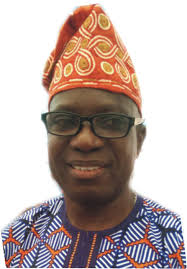
By Otunba Adesanya Yusuf
The Awujale stool, one of the most revered traditional thrones in Yorubaland, carries centuries of heritage and authority. Whenever succession arises, the process naturally draws attention—not only from the Ijebu people but also from observers across Nigeria. The interregnum, when the throne is vacant, is a period of heightened anticipation and speculation.
At the heart of this process are the Interregnum Council and the Kingmakers, custodians of tradition tasked with guiding the community through uncertainty.
Their role is to ensure that the eventual occupant of the stool embodies legitimacy, continuity, and respect for heritage. Yet, as with many succession processes, public discourse often shifts from ceremony to rumour.
Rumours and Realities
What we hear in the streets and marketplaces are whispers of influence—claims that some contenders may be seeking to sway the process. These remain unverified, and no evidence has been presented to substantiate them. Still, the mere existence of such talk reflects the public’s deep investment in the outcome.
A market woman in Ijebu-Ode put it simply: “People are talking, but we don’t know what is true. All we want is a fair process.”
A local teacher echoed the sentiment: “The stool is bigger than any individual. Whoever emerges must be chosen in a way that everyone can respect.”
Historical Echoes
This is not the first time succession to the Awujale stool has stirred debate. Historically, transitions have often been accompanied by contestation, reflecting the significance of the throne. In past interregnums, the Kingmakers’ decisions were sometimes challenged, but the institution endured. Each succession reinforced the resilience of tradition, even when public opinion was divided.
A historian from a notable University noted: “If you look back, every succession has had its controversies. But the stool has always survived, and that is the strength of tradition.”
The Symbolism of the Stool
The Awujale stool is more than a seat of power. It is a symbol of identity for the Ijebu people, a link between past and present, and a custodian of cultural pride. Whoever ascends it carries not only authority but also the weight of expectation.
Also Read:Awujale Palace sealed up by security operatives
Awujale: Fusengbuwa Ruling House submits names of candidates to kingmakers
Alaafin Bribery Allegation: Kingmakers challenge Makinde to present evidence
This symbolism explains why succession attracts such scrutiny. For the community, the process is not merely about choosing a leader—it is about safeguarding heritage.
For observers, it is a test of whether tradition can coexist with modern calls for accountability.
Reflection: Beyond the Whispers
What we hear should not be dismissed, but neither should it be accepted uncritically. Rumours can erode trust if left unchecked, yet they can also serve as reminders of the need for openness. The challenge for the Interregnum Council and Kingmakers is to navigate this delicate balance: honouring tradition while reassuring the public of fairness.
A youth leader in the community summed it up: “We don’t want division. We want a process that unites us, not one that leaves questions behind.”
Conclusion
In the end, succession is not only about who becomes Awujale but also about how the community perceives the journey. What we hear in the streets reflects both concern and hope. The future of the stool depends not on rumour but on the confidence of the people it serves.
Otunba Giwa Adesanya Yusuf
Otunba Bobaseilu of Ijebuland and Giwa Egbe Bobagunte (Okunrin) Akile Ijebu