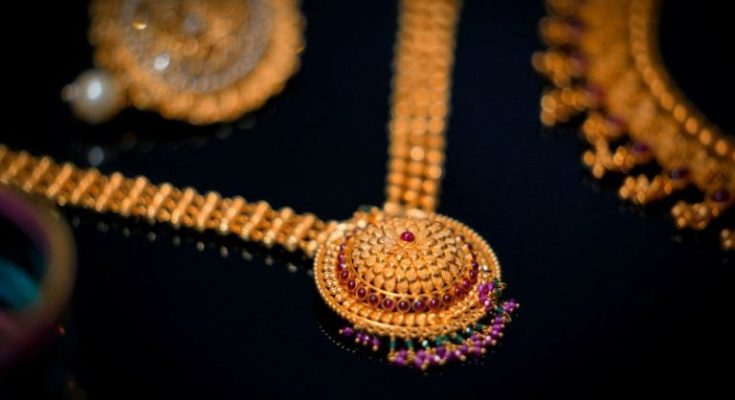

Gold jewelry Photo Credit: Unsplash
The relentless surge in gold prices, surpassing $3,000 an ounce and yielding over 15% year-to-date gains, is triggering a significant shift in consumer behaviour across Asia and the Middle East.
Jewellers are witnessing a surge in customers cashing in old jewellery and coins, potentially dampening future gold imports and tempering the metal’s rally.
The unprecedented gold price rally, following a near 30% rise in 2024, has particularly impacted India, where domestic gold prices have soared by over 32% since July 2024, reaching a record high of 89,796 rupees per 10 grams.
This has fuelled a surge in scrap gold sales, with textile trader Unmesh Patel reporting a 25% profit from selling gold coins.
However, this price surge is negatively impacting new jewellery demand. “If prices stay this high all year, India’s overall demand could drop by more than 30% in 2025,” warns Prithviraj Kothari, president of the India Bullion and Jewellers Association (IBJA).
“Buyers are finding it hard to keep up with the price surge, and their budgets aren’t growing either.”
Despite India’s ongoing wedding season, jewellers are experiencing less than half their usual customer traffic. Even when purchases are made, consumers like bride-to-be Vaishnavi M. are opting to exchange old jewellery to mitigate costs.
India’s scrap gold supply, totalling 114.3 tonnes in 2024, is expected to rise further in 2025.
The trend extends beyond India. In the Middle East, a Dubai-based bullion dealer reports a similar dip in demand, even among Indian tourists who typically shop there to avoid import taxes. In the UAE, where about 60% of gold demand is for jewellery, consumers are purchasing lower-weight items.
“However, our data shows that the value of jewellery bought last year increased, despite lower volumes,” notes Andrew Naylor of the World Gold Council.
In China, lacklustre retail purchasing continues, with consumers favouring gold coins and bars over premium-priced jewellery.
Other Asian markets are also seeing more sellers than buyers, with a shift towards cheaper jewellery or using existing gold as loan collateral.
Also Read:No magic wand to stabilise the Naira says CBN governor
Nigeria’s foreign debt service hits $5.47 bln amidst fluctuating FX remittances.
Rise in Cement price detrimental to Economy says Reps
Seasonal FX demands depletes Nigeria’s foreign reserves by 1.16%
In Singapore, Brian Lan of GoldSilver Central reports a rise in shops selling gold-plated silver and customers liquidating unused or broken jewellery.
These trends highlight a shift from gold as a traditional cultural commodity to a financial asset, with consumers prioritising short-term gains over long-term ownership. Analysts predict continued weak jewellery demand but strong investment demand for bullion.
Global Financial Digest