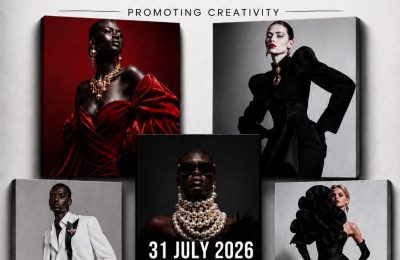


Founder, Vixteau Couture, Adewole Victor
By Omolara Akintoye
In the ever-evolving fashion industry, the digital landscape has become an indispensable tool for designers and brands striving to capture the attention of today’s connected consumer. Whether you’re launching a new collection or building a brand from the ground up, the intersection of fashion and digital marketing is where creativity meets strategy. The key to standing out lies not only in designing beautiful, functional clothing but also in crafting a compelling online presence that resonates with your target audience.
Here’s how fashion designers can harness the power of digital marketing to build a thriving fashion brand online.
1. Develop a Strong Brand Identity
Before diving into digital marketing, every fashion brand needs a strong, consistent brand identity. This goes beyond just your logo or color scheme—it’s about crafting a narrative that speaks to your audience’s values, aspirations, and lifestyle.
Ask yourself:
What does your brand stand for?
What makes your designs unique?
Who is your target audience?
A clear brand identity will guide all your digital marketing efforts, from your social media presence to the tone of your website content and email newsletters. Whether you’re promoting sustainability, exclusivity, or modern luxury, your brand message should resonate in every aspect of your digital strategy.
2. Build a User-Friendly, Engaging Website
Your website is the cornerstone of your online presence. It’s where potential customers go to learn more about your brand, browse your collections, and make purchases. A well-designed, user-friendly website with a seamless e-commerce experience is non-negotiable.
Key elements for a successful fashion website:
Visually Stunning: Fashion is visual, and your website should showcase your designs in high quality with captivating imagery. Consider professional photo shoots and lifestyle imagery that tell a story about your brand.
Mobile-Optimization : More shoppers are buying on their phones than ever before, so it’s essential that your website looks and functions beautifully on all devices.
Fast and Easy Checkout: A slow or complicated checkout process can turn customers away. Make the purchasing experience quick, easy, and secure to encourage conversions.
3. Leverage Social Media Platforms
Social media is arguably the most powerful tool for fashion marketing in the digital age. Platforms like Instagram, TikTok, and Pinterest are visual-heavy, making them ideal for showcasing fashion designs and engaging with your audience.
Instagram: This platform remains a central hub for fashion brands. Use Instagram’s features—like posts, stories, and reels—to showcase your collections, share behind-the-scenes content, and interact with followers. Influencers, brand collaborations, and user-generated content also perform well here.
TikTok: Known for viral content, TikTok offers an opportunity to reach younger, trend-savvy audiences. Engage in challenges, share quick styling tips, or show your creative process to build an authentic connection with potential customers.
Pinterest: Perfect for fashion designers who want to inspire and be discovered. Pin your designs and link them directly to your website or product pages to drive traffic.
When using social media, consistency is key. Regularly post content that reflects your brand’s aesthetic, keeps your followers engaged, and encourages them to take action—whether that’s liking, commenting, or making a purchase.
4. Utilize Influencer Marketing
Influencer marketing has become a cornerstone of digital fashion marketing. Partnering with influencers who align with your brand can introduce your collections to new audiences, build trust, and drive traffic to your website.
But not all influencers are created equal. It’s crucial to:
Choose the Right Influencers: Look for influencers whose values and style resonate with your brand. Whether they have a small, highly-engaged following (micro-influencers) or a broader reach, the right influencer can make a big difference.
Establish Clear Expectations: Be clear about deliverables, timelines, and compensation. A mutually beneficial partnership should feel authentic to both the influencer and their audience.
Track Results: Monitor the effectiveness of your influencer campaigns through metrics like engagement rates, website traffic, and conversions.
5. Master Content Marketing
Content marketing is an essential part of building a fashion brand online. The goal is to create valuable, engaging content that resonates with your audience while reinforcing your brand identity. This content should inspire, educate, and entertain.
Ideas for content include:
Blogs and Articles: Write about fashion trends, styling tips, or the design process behind your collections. SEO-optimized blog posts will also help increase your website’s visibility on search engines.
Email Marketing: Build an email list by offering exclusive content or discounts in exchange for subscribers’ contact information. Regular newsletters can keep your audience updated on new collections, events, and promotions.
Video Content: Fashion is best experienced through video. Create behind-the-scenes footage, fashion show highlights, styling tutorials, or interviews with the designer to connect with your audience on a deeper level.
Content marketing not only strengthens your brand’s story but also improves SEO and drives organic traffic to your website.
6. Invest in Paid Advertising
While organic reach is important, paid advertising can accelerate growth. Platforms like Facebook, Instagram, and Google Ads offer targeted advertising that can help you reach a specific demographic based on interests, behaviors, and location.
Fashion brands can leverage:
Facebook and Instagram Ads: These platforms allow you to create highly targeted ads that reach potential customers at different stages of the buying journey. Use carousel ads to showcase multiple products or dynamic product ads to retarget visitors who have shown interest in your website.
Google Ads: Capture high-intent search traffic with Google search ads. Targeting keywords relevant to your collections can drive traffic from users actively looking for fashion items.
Paid ads should be tracked and optimized to ensure a positive return on investment (ROI).
7. Create a Seamless Customer Experience
A key element in building a fashion brand online is ensuring a smooth and seamless customer experience from start to finish. This includes everything from easy navigation on your website to fast shipping, easy returns, and excellent customer service.
Incorporate: Live Chat: Offering real-time customer support can help solve issues quickly and provide a more personalized experience.
Fast Shipping & Easy Returns: Clear policies on shipping and returns build customer confidence and reduce hesitation in making a purchase.
Personalized Recommendations: Use data-driven insights to suggest products based on browsing behavior or purchase history, making the shopping experience more personalized.
8. Measure and Adjust:
Digital marketing isn’t static. To ensure your brand continues to grow, you need to measure the success of your campaigns and adjust accordingly. Use analytics tools to track website traffic, conversion rates, social media engagement, and ad performance.
Data-driven insights will help you:
Understand what’s working and what’s not; Optimize content and campaigns for better performance;
Fine-tune your strategies to align with consumer behavior
In conclusion, the intersection of fashion and digital marketing is an exciting space where creativity meets technology. By building a strong brand identity, leveraging social media platforms, utilizing influencer marketing, creating valuable content, and investing in paid advertising, fashion designers can effectively build their brand online.
Digital marketing empowers fashion designers to reach a global audience, engage with customers in real-time, and grow a loyal following—all while maintaining creative control over their brand’s vision. Embrace these strategies, and watch your fashion brand thrive in the digital age.