
’By Vicky Abraham
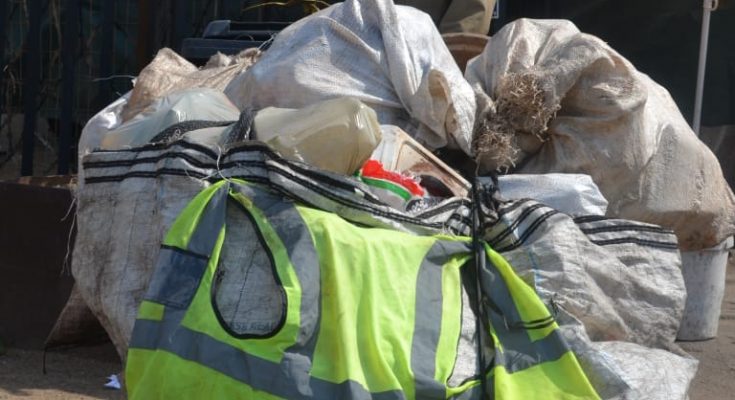
During the apartheid regime, many migrated from rural areas to Johannesburg in search for gold. But in the democratic regime, many travel from different squatter camps and townships to upmarket suburbs to rummage through the dustbins for recyclable items.
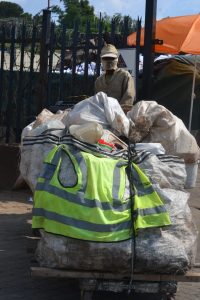
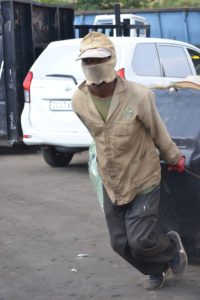
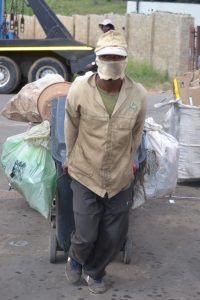
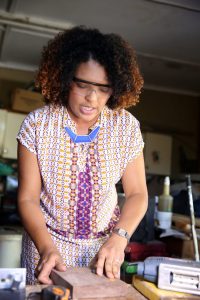
Just before Pikitup bin collectors empty the bins, waste pickers or foot soldiers have already collected a dozen of rubbish from the dustbins. Due to the high unemployment rate in the country, many have seen bin scavenging as a form of fending for their loved ones, whilst others see it as an entrepreneurship opportunity. Zechariah 31, left his home country, Lesotho in 2012 and worked as a general worker for a construction company. He later resorted to waste collection when he lost his job in 2016. Zechariah is among those who are not proud to be associated with this business. Like many, he wears a balaclava on his face whilst pulling his trolley full of garbage around the streets of Randburg and Weltevreden Park in South Africa.“I live in a squatter camp in Boksburg and come to Randburg to collect rubbish. There’s high competition because there are lots of people around Randburg who do the same job. Every Monday I wake up at 2am so that I can collect more rubbish. In winter it’s tough because I open dustbins when it’s very cold outside. I still work during rainy seasons. I am not happy, but it’s part of life, what can I do,” said Zechariah.“I collect anything, including clothes, TV sets, cellphones and bicycles. I fix and sell them at a taxi rank near Honeydew. Sometimes, I earn R50 or R300 or nothing. I pay for my sibling’s school fees. I also financially support my mother and child in Lesotho,” said Zechariah. His family was not aware that he is a waste picker, but “people talk and that’s how they found out”. Sello Pitso 24, from Little Falls joined the industry four years ago after losing his job as a plumber. “I’m not making enough money, but the little that I get is helping me. There are no jobs… I make R120 per day and I work twice a week. But, I enjoy what I do.”Paulose Kgosana 64, previously worked as a carpenter but lost his job in 2009. “I started collecting waste in 2009. I earn R50 or R100 per day. I am used to living my life like this, there’s nothing I can do. I have a family and they live in Tembisa, but I live in Zandspruit,” said Kgosana. A 38-year-old man from Honeydew who preferred not to be named said, “This is not what I specialise in. I am in construction, but I do not have transport fares to go to work. I’m desperate. I have been doing this (recycling) for two weeks so that I can raise money for transport.”Lizl Naude started from humble beginnings as a waste picker and has built a successful business called Lilly Loompa Eco Products which manufactures eco-friendly products. Naude, ventured into upcycling a few years ago when her family lost their business and properties. She collects discarded wood, tin cans, broken lamps, old furniture, wine corks and bottles. She restores them into sellable furniture, clocks and lamps which she presents at tourist shops in Franschhoek, Stellenbosch and Cape Town. “There is money in the recycling business. It is an unearthed mountain of possibilities. However, it will not make you a millionaire overnight. You must be willing to work hard and do the dirty work, pardon the pun. If you are hungry enough, you will make it work. I have a saying; ‘Creativity grows more when faced with adversity’… Don’t ever just start something for money. You might be sorely disappointed,” said Naude.