
By Femi Ogunleye
When I first learnt of the proposal by the Federal Government of Nigeria to float another national carrier in replacement of the liquidated Nigeria Airways, I took it with a pinch of salt. My antecedental records of government’s inconsistency and wobbling aviation policies had informed my feeling.
I am, however, further amused to learn that finally, the government has opted to partner with Ethiopian Airline in a new package for a Nigeria’s national carrier.
Nigeria Airways Limited was established in May 1959 from the ruins of West African Airways Corporation, a joint venture of the British and West African Countries, prior to independence in the region.
During the lifetime of 45 years which Nigeria Airways (1959-2004) operated, it fulfilled the objectives for which it was established, i.e. (a) serve as a national flag carrier and promote the image of Nigeria; (b) provide a back-up service for security and defence during the periods of national emergency (Nigerian civil war in 1967-1970).
Fleet of the airline at a time was as high as 22 with prop and jet engine and wide bodied frames and annual passenger carriage of about 2 million before its liquidation.
Hope rises for Nigeria airways retirees as FG begins final verification
It served as a major employer of labour as its junior and senior staff reached a climax of 12,000 at a time.
Resulting from unstable government’s management policy characterising frequent mortality rate of Chief executive officers and board of governance (in 25 years, there were 16 managing directors) the airline lacked sustainable direction, stable financial outlay and management and its services below expectations.
Fleet depleted, finance base decapitated and debts ridden until it was liquidated in 2004.
Ethiopian Airline, which today becomes the rescuers, so to say, has been 15 years on ground ahead of Nigeria Airways as it was established in December 1945.
The airline had from the start a stable management without undue interference both from its government and unseen stakeholders, making its CEOs consistently result-oriented and the airline’s services improving and expanding.
TWA, Panam, Sabena, SwisAir, KLM, and British Airways, had had one connection or the other with defunct Nigeria Airways but Nigeria’s internal problems had always created logjam.
The current arrangement with ET should not be a repeat of what happened with Richard Bryson of Virgin Atlantic which was full of deceit and propaganda from inception.
It is interesting that today’s Nigeria share holder in the New dispensation for Nigeria Air, is SAHCOL, a onetime creation of the defunct Nigeria Airways. SAHCOL was the ground handling company hived-off Nigeria Airways, just as Catering, Property and Printing departments were proposed during the lifetime of Nigeria Airways.
But the corruptive cacophony in the Nigerian system killed the bifurcation idea, hence they captured all the airline’s property for sale and left the airline’s staff in the limbo of perpetual poverty without pension.
It is hopeful that HadiSirika and his advisers will solidify the business formula bringing ET together with MRS, SAHCO and Nigerian government to run a national airline that we expect to recapture regional and international markets, stabilise the capital flight readily occasioned by the current foreign airlines, and join in reinveting good economy for Nigeria. Let the end justifies the means!
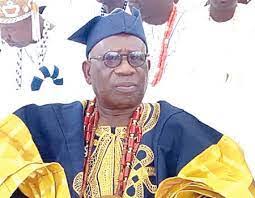
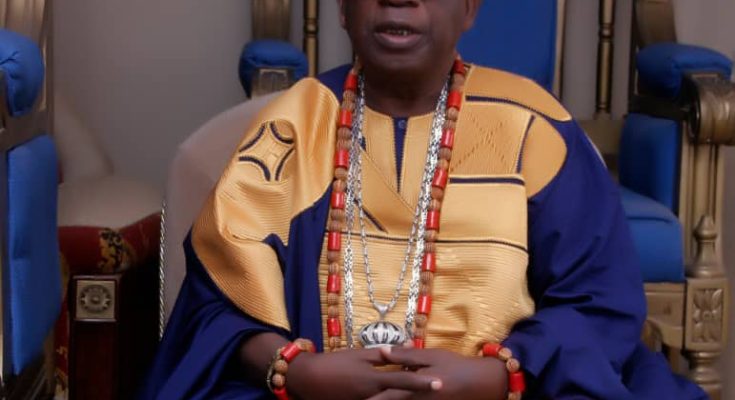
…Ogunleye, the Towulade of Akinale a
former Director of Corporate Communication of defunct Nigeria Airways writes in from Lagos