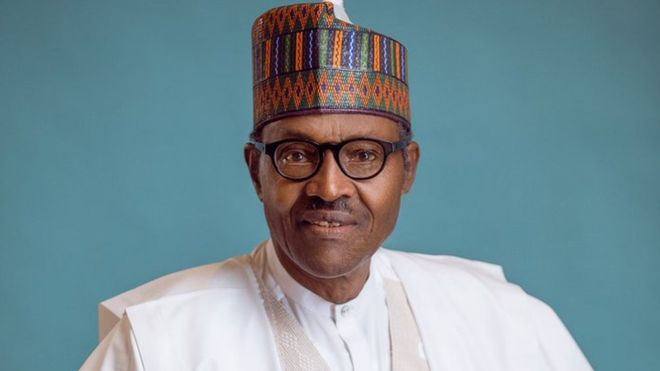

In spite of promosesWith days to go for its expiration, in line with the Constitution, President Muhammadu Buhari is still dillydallying on the signing of the re-worked Electoral Act Amendment Bill, as Nigerians wait anxiously for the document they believe would solve their political problems to become law.
Channels Television is reporting that the President has shifted his signing of the new bill to Friday, February 25, without giving reasons to the sudden change of heart, even when officials were definite that he would pen his approval in a matter of “hours.”
Quoting a source close to the Presidency, the report said Buhari would now officially sign the bill on Friday, even though his spokesman, Femi Adesina, had indicated Wednesday, February 23, 2022, as the date it would have become law, via his assent, though the source was also quoted as saying “the new date will be honoured by the President.”
The new development in coming as President, who had returned the document, a record five times, times giving various excuses, presided over the Federal Executive Council meeting held at the State House in Abuja.
On January 25, lawmakers in the Senate and House of Representatives chambers of the National Assembly passed the harmonised version of the bill, which was passed to the President a week later, as confirmed by his Senior Special Assistant on NASS Matters (Senate), Senator Babajide Omoworare.
He withheld his assent to the bill in November 2021, citing the cost of conducting direct primary elections, security challenges, and possible manipulation of electoral processes by political players as part of the reasons for his decision.
But the President gave some conditions to give his assent – an action that prompted the lawmakers to re-work the bill, leading to the emergence of two versions in the green and red chambers.
The House had re-amended the bill to include the direct and indirect primary options while the Senate re-adjusted it to include the direct, indirect, and consensus modes of selecting political parties’ candidates.
Both chambers later passed the harmonised version – the final agreed version of the amendment to Clause 84 which included the direct, indirect, and consensus primary modes.
Amid an outcry from critics who raised concerns about the delayed signing over fears that the President might reject the bill again, a presidential aide, Femi Adesina, said his principal’s action was within the requirements of the law.
He stated that it would only be appropriate to say President Buhari has acted against the law if he exceeds the 30-day window provided by the Constitution to take a decision on the bill.
“It could be signed today; it could be signed tomorrow. In a matter of hours, not days. Hours could be 24 hours, it could be 48 hours; not days, not weeks,” Adesina had said on Tuesday’s edition of Channels Television’s Sunrise Daily.
Source Whirlwindnews.com.ng