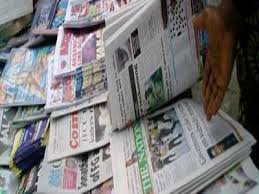

Editorials represent the institutional opinion of the newspaper. They are, by definition, opinionated. That opinion is shaped by the editorial board on behalf of the newspapers’ owners. In some organizations, editorial board is a separate entity but editor may be a member; it all depends on how the company is structured.
When put succinctly, editorials are a newspapers’ official stance on specific issues and can cover politics as well as economy, social or cultural issues. Editorial boards will often endorse candidates in upcoming elections, and reading the editorials from various newspapers on the same topic can give a researcher a good sense of the general political leaning.
Editorial board members offer topic ideas during their regular meetings. The topic, message and the tone of the proposed editorial are often hotly debated. The chairman of the editorial board listens carefully to the debate, selects a course of action and asks for a volunteer writer. Editorials are unsigned because they represent the institutions views, rather than the views of the individual writer.
It is on records that editorials of many newspapers assisted the opposition party to clinch the presidency in 2015. They were outsmarting one another in writing patronizing editorials about the party that was projected as the long awaited alternative. The Nigerian newspapers can be easily categorized as “for or against” the government based on their editorials.
Editorials are usually separated from news reporting so that the readers can know when they are reading a factual news report that tries to be objective and when they are reading the opinion of the editors of the newspaper. Editorial remains the soul of the newspaper and the conscience of the community.
Newspaper editorials are enough to put the government at various levels in check and on their toes. Unfortunately, the industry has been infiltrated and needful has taken a back seat. An editorial was once written on the poor handling of security matter by a governor in one of the South Southern states but the editor removed it before printing because of the ulterior motive.
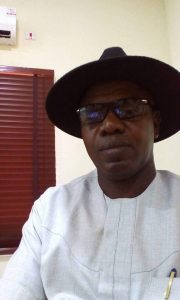
Ayankunbi
Something absurd was introduced in 2019 when a newspaper countered an editorial written by another newspaper. Specifically, on December 19, 2019, The PUNCH newspaper published an editorial which made waves. It was titled “Buharis Lawlessness: Our Stand. The editorial was triggered by the arrest of Omoyele Sowore, the Sahara Reporters publisher who was granted bail by a Federal High Court and was released on bail, only to be rearrested hours later by the Department of State Services (DSS) agents at the court premises in Abuja. The PUNCH also cited the case of Ibrahim El-Zakzaky, the Shiite leader who was granted bail by the courts but is still in detention.
The PUNCH concluded by saying that as a symbolic demonstration of our protest against autocracy and military-style repression, PUNCH (all our print newspapers, The PUNCH, Saturday PUNCH, Sunday PUNCH, PUNCH Sports Extra, and digital platforms, most especially Punchng.com) will henceforth prefix Buharis name with his ranoy dictator in the 80s, Major General, and refer to his administration as a regime, until they purge themselves of their insufferable contempt for the rule of law.
However, on December 19, 2019, Daily Trust opposed The Punchs editorial; it was titled: That Punch Editorial. It said The Punch went overboard in describing an elected government as a regime and refuse to recognize the president by his statutory title. It said that it was an attempt to delegitimize an elected president and the government he heads.
Meanwhile, the editorial board of The Guardian newspaperd deserves commendation based on its editorials on: Federalism is the answer, after all. It appears in its Thursdays’ edition beginning from October 29, 2020; the eleventh series appeared on January 7, 2021. The serialized editorial has touched on many spheres aimed at lifting the country out of the wood. This is one of the best ways to contribute to the developments of the country and set agenda for the government of the day. It is my wish that all the series should be turned into a book and copies sent to those that are in charge of managing the affairs of the country.
Finally, the most powerful editorial is a photo with a single sentence. It can also be a 1,000-word treatise. The power is in the topic selection, the logic employed and the rhythm of miwriting. The best editorials are memorable; they are persuasive, compelling, relevant to the readers, passionate, constructive, timely, and provocative. They are well researched and smartly written.
..Ayankunbi is MD/CEO at AbingMO3 Marketing Management Consultancy
abiolaayankunbi@yahoo.com
0802 305 1315