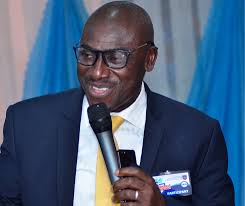

Mr. Lanre Arogundade, the Excutive Director of International Press Centre (IPC), has called on journalists and other media professionals to be mindful of the provisions of the Nigerian Media Code of Election Coverage, which requires them to be ethical, professional, socially responsible and conflict sensitive; especially through the avoidance of hate speech in the coverage of electoral issues.
ALSO READ: Hold politicians accountable to their promises. Oyekanmi tells media
He also reminded them that the Code expects them to give prominence to the inclusive issues of women, especially female candidates, youths and persons living with disabilities.
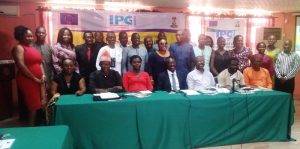
Arogundade who was also the chairman of Lagos State chapter of the Nigeria Union of Journalists said this while welcoming guests, participants and panelists to the public presentation/roundtable on trends in print and online newspapers’ reportage of post 2019 elections issues (scorecard for July-September 2019) in Lagos on Tuesday, November 26, 2019.
He also used the opportunity to fuirther added his voice to the call by well meaning Nigerians the government of President Muhammadu Buhari to release the publisher of SaharaReporters online platform, Mr. Omoyele Sowore, who hass been in detention for months for calling for a revolution, despite the fact that the court has granted him bail, saying that his continued detention is unacceptable.
He did not also forget to mention the incarceration of one Agba Jalingo who is standing trial for terrorism, an allegation made on behalf of the Cross River State governor.
According to him, “the onours in on the governor to prove that what Jaligo wrote against him is not true and not to grab him and lock him up.”
The report, which was been presented, he said “marks the continuation of a 24-month media monitoring activity covering the pre-election, election and post-elections cycles under component 4b: support to media of the EUSDGN project.
“This post-election phase report, however, covers the outcome of the monitoring of twelve (12) print and online newspapers in the said period, the monitored newspapers being The Punch, The Guardian, Daily Sun, Vanguard, ThisDay, Nigerian Tribune, The Nation, Leadership, Daily Trust, Blue Print (online version), The Cable (published online only) and the Premium Times (published online only). Also monitored was the INEC’s twitter handle (https://twitter.com/inecnigeria) and INEC website https://www.inecnigeria.org/, as it was considered necessary to examine INEC’s post-election engagement with the media and the public via these Online channels.
“As this report and subsequent ones, will show this phase is very important not only because we are beaming torchlight on the trends of reportage but because there are emerging critical post-election issues such as conflicts, outbreaks of violence and killings (as seen in the recent Kogi and Bayelsa Governorship elections), tribunal/court cases and campaign finance, which the media most contend with.
“In dealing with these issues, it is our contention that the media must continue to be ethical and conflict sensitive in their reportage. Thus, the report serves as a reminder to the media on their role in preventing insecurity and violence during and after elections through fact-based, independent, transparent, accountable and impartial reporting,” he said.
The report was reviewed by Dr. Akintunde Akanni, Senior Lecturer, School of Communication, Lagos State University with Mr. Rotimi Oyekanmi, Chief Press Secretary to the Chairman of INEC in attendance as a special guest and discussant.
others who graced the event were the representatives of Editors of Vanguard Newspapers and The Cable, who were the other discussants.