
Muhammadu Sanusi
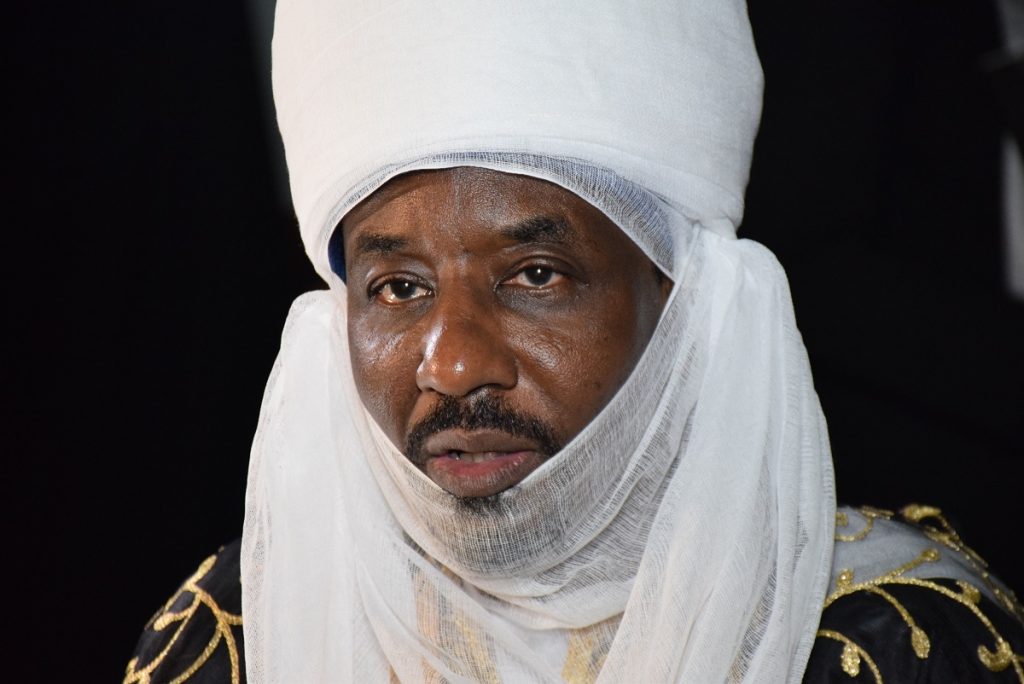
Emir of Kano Muhammadu Sanusi II has questioned the fairness of Nigeria’s anti-corruption fight, saying political connections can influence how cases are investigated and prosecuted.
He also shared his thoughts on the prosecution and continued detention of Nasir el-Rufai, former governor of Kaduna state.
Sanusi spoke on Monday in an interview with Channels Television on the sidelines of the launch of ‘The Unexplained Wealth Trilogy’ by Wahab Shittu, a senior advocate of Nigeria (SAN), in Lagos.
The emir said having laws to tackle corruption are not enough, noting that existing legislation must also be properly implemented by institutions responsible for investigation, prosecution and adjudication.
“The laws are one thing. Even the existing laws we have need to be implemented better. You have institutions that are supposed to identify corrupt people and prosecute them. You have courts that are supposed to do it,” Sanusi said.
He alleged that some corruption cases have been dropped because the suspects had political connections or belonged to the “right political environment”.
Read Also:Friends have deserted me,I’ll reconsider my relationships-El Rufai
EFCC arrests Tejuoso suspended City Boy Movement woman leader
“We have seen in this country people who are facing corruption charges who basically just get those charges dropped because they belong to the right political environment or have the right political support,” he said.
Sanusi said the handling of some cases had also raised questions about whether the anti-corruption campaign is being pursued consistently or used against political opponents.
“We have legal processes where people are questioning if, in fact, it is a fight against corruption or political persecution,” he said.
‘LAWS ALONE WON’T GET US ANYWHERE’
The emir cited the case involving el-Rufai who is facing alleged corruption and money laundering-related charges.
“An example is my brother, Nasir el-Rufai, who’s been denied bail. He’s been in detention for seven months, not having been convicted for anything, using the courts,” he stated.
Sanusi said cases such as el-Rufai’s could make the public question the motives behind anti-corruption proceedings.
“So people begin to wonder, is this really a fight against corruption, or is it a political battle?” he asked.
Sanusi added that political officeholders and judicial institutions must ensure that laws are applied for the purposes for which they were enacted.
“Now, until the politicians and those who control political office and the judiciary decide that they are going to use these laws for the purpose for which they are set up, we’re not going to get anywhere,” he said.
He added that reviewing anti-corruption laws is useful but argued that equal attention should be paid to the institutions responsible for enforcing them.
Advertisement
“So the laws are one thing, and I think it’s a good thing that we’re looking at the laws, but we also have to look at the institutions that are involved in the structure of the law, and that is only where you make progress,” Sanusi said.
“Otherwise, anyone knows that you can get away with anything if you have the right political connections.”
The remark comes amid el-Rufai’s ongoing legal battle.
The ex-minister has said the circumstances surrounding his trial have made him reconsider some relationships, particularly after some friends and associates went mum during his latest ordeal.
Source:Cable