“A world without rules is not neutral. It is a return to hierarchy, exploitation—and modern slavery by another name.”
History teaches a hard lesson: when global rules collapse, weaker states pay the highest price. The warning sounded by Professors Oona Hathaway and Scott Shapiro in A World Without Rules is therefore not an abstract legal debate. It is an alarm bell for Africa, and for Nigeria in particular.
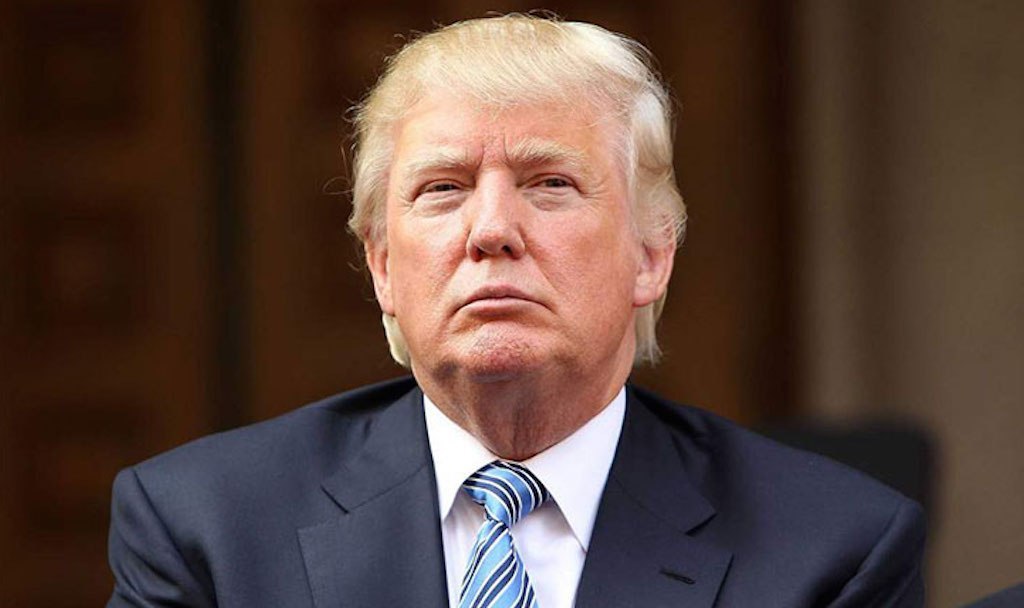
This is a moment when the international system appears to be sliding back toward raw power politics under Donald Trump’s renewed and increasingly explicit assault on international law.
Trump’s rhetoric—threatening to seize the Panama Canal, absorb Canada, acquire Greenland, or “own” Gaza—might once have been dismissed as political bombast. But rhetoric matters in global affairs because it corrodes norms long before tanks roll or treaties are torn up.
The U.S. invasion of Venezuela and the abduction of its president, reportedly carried out without United Nations authorization, congressional approval, or a credible self-defense claim, signals something far more dangerous: the open normalization of illegality by the world’s most powerful state. When the chief architect of the post-1945 international order begins to repudiate it, the system does not merely weaken, it unravels.
This is not happening in isolation. The MAGA playbook that underpins Trumpism is fundamentally hostile to rules, equality, and universal rights. Its logic is transactional and hierarchical: power over principle, dominance over law, and identity over citizenship.
At home, this manifests in voter suppression, the rollback of civil rights, and the re-legitimization of racial and economic hierarchies. Abroad, it translates into a worldview where weaker nations exist to be exploited, coerced, or ignored.
For Africa, the danger is existential. The continent’s modern borders are fragile and often artificial. They have survived largely because of the principle of sovereignty embedded in international law. If force once again becomes a legitimate tool for territorial acquisition, regime change, or economic subjugation, Africa risks a return to an era disturbingly reminiscent of colonialism.
In this sense, the MAGA worldview is not merely nationalist; it is neo-imperial. It echoes an old order in which non-Western peoples were reduced to labor pools, resource deposits, and disposable lives—a modern, coded pathway back to slavery in economic and political form, if not in name.
Nigeria, Africa’s largest democracy and economy, is especially exposed. Its foreign policy tradition has rested on respect for sovereignty, non-interference, and multilateralism. These are principles that allowed Nigeria to exert influence through diplomacy rather than brute force.
A world without rules strips away that advantage. If might becomes right, Nigeria’s voice in institutions such as the United Nations, ECOWAS, and the African Union diminishes, while coercion and unilateralism regain primacy.
The economic consequences are equally severe. Global trade, investment, and energy markets function on predictability and enforceable rules. When international law is treated as optional, sanctions become arbitrary, contracts lose credibility, and supply chains grow brittle. For Nigeria—seeking foreign direct investment, managing oil and gas exports, and stabilizing its currency; this uncertainty translates into higher risk premiums, capital flight, and slower development. Markets, like nations, flee disorder.
Security pressures would also intensify. When norms against the use of force erode, regional strongmen everywhere feel emboldened. In Africa, this could fuel unconstitutional changes of government, legitimize cross-border interventions, and worsen existing conflicts under flimsy justifications.
Nigeria, already contending with terrorism, banditry, and transnational crime, would face a harsher strategic environment with fewer or no credible global referees.
The lesson for President Bola Tinubu and other African leaders is unmistakable: passivity is not an option. Africa must deepen continental solidarity, strengthen its institutions, and speak with a firmer, united voice in defense of international law.
Nigeria, in particular, must reclaim its traditional leadership role—building diplomatic coalitions that insist rules still matter.
For countries without imperial power, rules are not a luxury; they are a shield.
When the strong declare themselves above the law, the world does not become freer. It becomes more dangerous and more unequal. Africa knows this truth from bitter experience.
Also Read:Trump’s $100 Billion Venezuela Oil Plan Gets a Cool Reception
Gold, Lithium Plants Position Nigeria as Africa’s Minerals Supply Hub – Alake*
Trump moves to expel ‘20 million unknown and unvetted foreigners’
What this moment demands from Nigeria’s political and policy elite is strategic clarity, not diplomatic politeness. Silence in the face of a collapsing global order is not neutrality. It is vulnerability. Nigeria must invest more aggressively in diplomacy, lawfare, regional leadership, and strategic alliances beyond traditional comfort zones. It must defend multilateral institutions not as abstract ideals but as instruments of national survival. History will not excuse a generation of leaders who mistook caution for wisdom while the rules that protected their sovereignty were dismantled in plain sight.
In a world drifting toward domination and transactional empire, Nigeria must decide whether it will merely react. Or, rise, speak, and help shape the last line of defense between order and global regression.