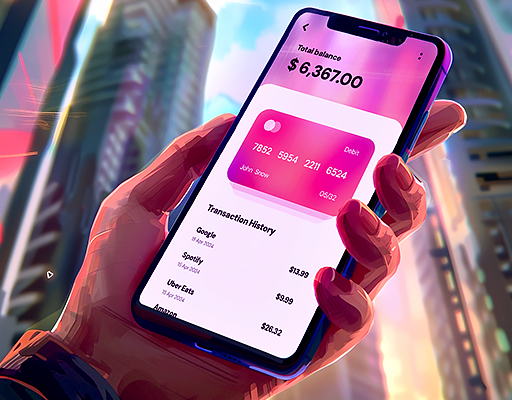

As Nigeria’s youth-driven digital economy increases, mobile banking has become the backbone of daily transactions ranging from paying bills to receiving salaries and running small businesses.
However, the rapid adoption of mobile banking combined with persistent digital literacy gaps has exposed millions of users to evolving cyber threats.
With over 70 percent of Nigeria’s population under 35 and mobile banking deeply woven into everyday life, cybersecurity is no longer just a banking issue but a digital literacy challenge.
A Media Dialogue Digital Learning report noted that equipping Nigerians with foundational digital skills is essential not only for employment but for financial safety.
As 2026 approaches, stronger collaboration between banks, regulators, educators, and the media will be critical to protect users, especially young people, from becoming the weakest link in Nigeria’s fast-growing digital economy.
The Media Dialogue Digital Learning report highlighted how low digital awareness, limited cybersecurity skills, and uneven access to technology are creating fertile ground for financial fraud.
With mobile banking usage set to deepen in 2026, here are 10 key threats Nigerians need to watch closely:
AI-powered phishing scams
Fraudsters are increasingly using artificial intelligence to craft convincing SMS, email, and WhatsApp messages that mimic banks almost perfectly. These scams exploit users with limited digital literacy, tricking them into revealing one-time passwords and PINs.
Fake mobile banking apps
Cybercriminals now clone popular banking apps and distribute them via unofficial app stores or social media links. Once installed, these apps harvest login details silently in the background.
SIM-swap fraud
Despite regulatory safeguards, SIM-swap attacks remain a major risk as criminals hijack phone numbers to intercept banking alerts and reset passwords which is a threat especially dangerous for users unaware of SIM security protocols.
Social media investment scams
Fake loan offers, crypto deals, and instant grants promoted on TikTok, Facebook, and Instagram increasingly redirect victims to fake banking portals designed to steal credentials.
Public Wi-Fi banking risks
With many Nigerians relying on shared or public internet access, unsecured Wi-Fi networks remain an easy entry point for hackers to intercept sensitive banking data.
Malware hidden in everyday apps
Some free games, flashlights, and utility apps now contain hidden malware that monitors keystrokes and screenshots, targeting users who download apps without security checks.
Deepfake voice fraud
Emerging deepfake technology allows scammers to imitate bank officials or even family members, pressuring victims into approving fraudulent transactions over the phone.
Also Read:Banks caution Customers against using public Wifi for transactions sas its dangerous
Young experts launch Nigeria’s first anti-fraud app for real estate
Weak passwords and PIN reuse
The report’s emphasis on low foundational digital skills mirrors a major banking risk, which is that many users still reuse simple passwords across platforms, making it easier for attackers to breach multiple accounts.
Account takeovers through data leaks
As more services move online, leaked personal data from non-bank platforms can be combined to guess banking login details, which is a growing concern in Nigeria’s expanding digital ecosystem.
Low awareness of consumer protection channels
Many victims do not know how or where to report fraud quickly. Delayed reporting often means stolen funds are gone permanently, underscoring the need for better digital education.
Source:(BusinessDay)