
— ….Nigeria among developers on watchlist amid trade tensions
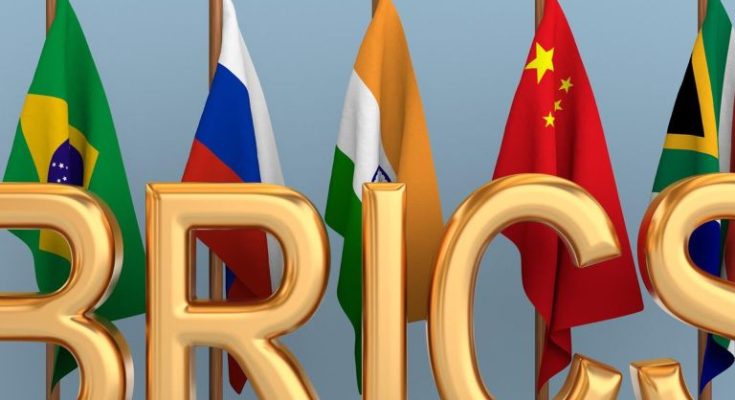
The Trump administration has postponed—but not shelved—a proposed 10% tariff on BRICS bloc countries, signalling readiness to impose it if member nations pursue “anti‑American” policies.
While no executive order has been issued, a White House source signalled the tariff would activate on August 1 unless affected countries alter positions.
The move places Nigeria, a BRICS partner, in the spotlight amid a growing U.S.–BRICS trade standoff.
Tariff Threat Looms Over Nigeria’s Export Sector
Authorities are watching closely: Nigeria, alongside Brazil, India, China, Russia, South Africa, and extended BRICS partners like Nigeria, Indonesia, Egypt, and UAE, could face escalation.
Also Read:FG launches visa amnesty for foreigners
Nigeria Signs ECOWAS Tariff Offers
OP-ED: “A RESCUE PLAN FOR SUSTAINABLE DEVELOPMENT”
The policy echoes prior attempts to pressure nations into avoiding US-centric tariffs introduced in April 2025.
Nigeria’s export-driven growth—especially oil, agricultural products, and processed goods—could be hit if Washington deems Abuja’s foreign policy “anti-American.” That would endanger trade volumes, hit naira stability, and weigh on investor sentiment in the capital flows entering the Nigerian economy.
Nigeria’s Strategic Trade Response
Nigeria is part of a broader $622 million bilateral trade agreement with the U.S. and has been exploring expanded food and agriculture exports. With U.S. tariffs on the table, Lagos may accelerate diversification into markets like Europe, Turkey, and South America.
The Ministry of Trade and Investment is reviewing U.S. trade policy shifts ahead of August 1.
Global Trade Fallout & Market Volatility
The tariff threat emerged as trusted BRICS members—India, Indonesia, and others—finalised trade pacts with Washington before the July deadline. Meanwhile, BRICS leaders released a 31-page communique condemning unilateral trade barriers and urging global institutional reform.
Nigeria’s inclusion as a BRICS partner highlights heightened geopolitical volatility. Global institutions—multilateral lenders, export credit agencies, and commodity exchanges—may rerate Nigeria’s trade risk, pushing NGX derivatives and FX hedging demand upward.
Local Currency & Fiscal Implications
Analysts at Africa Capital Research warn that rising U.S. tariffs could trigger:
Naira depreciation
Increased inflation from higher import bills
Central Bank FX intervention
Policy makers in Abuja may respond with macroeconomic buffers like tariff waivers, duty incentives for exporters, or accelerated agreements with other trading blocs.
Nigeria Under Watch
Whether Nigeria steps deftly between the U.S. and BRICS agendas will test its diplomatic finesse. Its positioning in the upcoming BRICS financial architecture, agricultural supply chains, and energy exports could be pivotal—determining tariff exposure and trade ecosystem resilience.
Source:Global Financial Digest