CBN Gov Cardoso
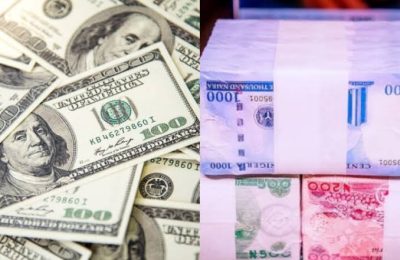
The Central Bank of Nigeria (CBN) has swung back into profitability with a net profit of ₦38.8 billion for the year ended December 31, 2024, marking a significant turnaround from the ₦1.15 trillion loss reported in 2023.
The apex bank disclosed this in its audited 2024 financial report released on Friday.
It shows the Group — comprising the CBN and subsidiaries including the Nigerian Security Printing & Minting Plc and NESI Stabilisation Strategy Ltd — posted a profit before tax of ₦44.68 billion.
This compares with a pre-tax loss of ₦1.15 trillion in the previous year, underscoring the scale of recovery.
The 2024 performance was driven by robust growth in external reserves and strategic asset adjustments amid tighter monetary controls and operational realignments under Governor Olayemi Cardoso’s administration.
The bank’s total assets surged by 33.83% to ₦117.6 trillion, up from ₦87.87 trillion in 2023.
A key contributor was the 82.58% increase in external reserves, which rose to ₦54.72 trillion from ₦29.97 trillion in the previous year.
The holdings of Special Drawing Rights (SDRs) from the International Monetary Fund (IMF) also saw a notable rise of 61.42%, reaching ₦6.36 trillion, reflecting Nigeria’s access to multilateral buffers amid foreign exchange reforms.
Debt instruments held at amortised cost grew to ₦29.8 trillion, a 12.67% increase from ₦26.45 trillion in 2023, further strengthening the bank’s portfolio.
On the liabilities side, the Group’s total obligations climbed 35.78% to ₦116.58 trillion in 2024 from ₦85.86 trillion a year earlier, largely due to increased open market operations and reserve management adjustments.
However, the Group’s total equity dropped sharply to ₦1.01 trillion, halving from ₦2.01 trillion in 2023, suggesting lingering structural imbalances and the residual impact of prior losses.
Background:
The 2023 financial year was the worst in the CBN’s recent history, with over ₦1 trillion in losses attributed to foreign exchange volatility, massive intervention funding, and unsettled fiscal-monetary coordination during the transition between administrations.
Governor Cardoso’s tenure, which began in late 2023, has since focused on exchange rate unification, inflation targeting, and restoring monetary stability.
Outlook:
While the return to profitability signals a positive shift in monetary management, analysts note that challenges remain, especially around inflation, liquidity pressures, and external debt obligations.
Also Read:Key takeaways in Tinubu’s cabinet reshuffle
Edun heads Nigeria’s delegation to IMF meeting in Washington
Tinubu trades off political risks for Nigeria’s economic reforms- IMPI Reforms
Sustained FX reforms, transparency in intervention spending, and efficient reserve utilisation will be crucial in maintaining the momentum.
The Central Bank has yet to announce dividend payments, but in line with the Fiscal Responsibility Act 2011, 20% of the profit will be retained, with the balance remitted to the Federal Government.
The financial statement was prepared in accordance with IFRS standards and revised reporting guidelines issued by the Financial Reporting Council of Nigeria (FRC), including the Central Bank-specific accounting framework updated for the 2024 cycle.