
By Omolara Akintoye
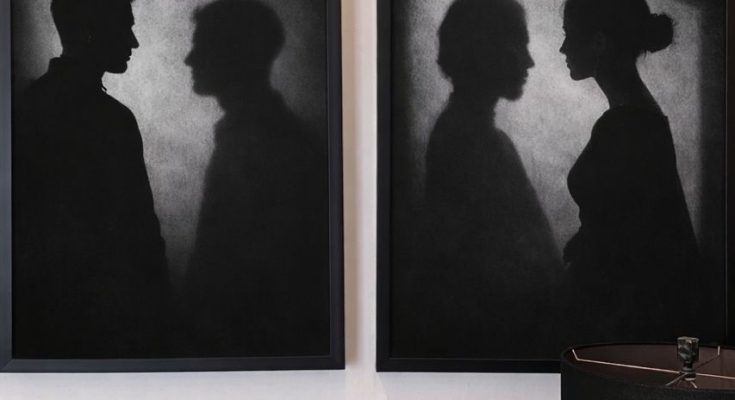
The curtains have closed on In Conversation With Shadows, a compelling fine art photography group exhibition curated by Mavic Chijioke, yet its resonance continues to echo quietly, powerfully far beyond the gallery walls.
Held from September 8th to 16th, 2024, the exhibition brought together a collective of photographers whose works explored the fragile dialogue between light and absence, visibility and erasure, self and other. Through shadow as both metaphor and material, the exhibition asked urgent questions: Who is seen? Who is unheard? And what stories live in the spaces in between?
Hosted at the La Mode Disability Foundation, Lagos, the exhibition was not only an artistic statement but a humanitarian one. Conceived as a charity-focused group exhibition, In Conversation With Shadows aligned visual storytelling with social responsibility, raising awareness and support for disability inclusion and empowerment.
Each photographic work functioned as a conversation between subject and shadow, artist and viewer, art and society. Rather than offering definitive answers, the exhibition invited stillness, reflection, and emotional engagement. Shadows were not presented as darkness to be feared, but as witnesses holding memory, identity, and truth.
What distinguished this exhibition was its refusal to separate aesthetics from ethics. Beauty did not exist in isolation; it carried weight, intention, and consequence. The participating artists collectively demonstrated that fine art photography can be both visually arresting and socially catalytic.
Throughout the exhibition period, visitors experienced moments of quiet confrontation and shared introspection. The space became a site of empathy where art softened boundaries and redirected attention toward lived realities often pushed to the margins.
In Conversation With Shadows stands as a testament to what is possible when art is used not only to express, but to serve. It reaffirmed the role of the artist as both storyteller and citizen, and the gallery as a space not just for viewing, but for listening.
As the exhibition concludes, its impact remains etched in conversations sparked, perspectives shifted, and lives supported through its charitable mission.
This was not an ending.
It was a pause in the light
where shadows spoke, and were finally heard.