
By Dr Kenny Odugbeni
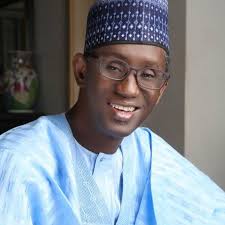
Photo Caption:Nuhu Ribadu,National Security Adviser
“The security situation in Nigeria is dire, with various non-state actors perpetrating violence and criminal activities. Despite significant military expenditures and efforts, the challenges persist. The issues are complex, involving ethnic, religious, and cultural factors, as well as political and economic dynamics.
According to the Nigerian Government’s data, the country has spent over ₦12 trillion on security expenses between 2015 and 2023, with an additional ₦3 trillion allocated for security in the 2023 budget.
Breakdown of security expenses by state (2023):
– Abuja: ₦100 billion
– Borno: ₦50 billion
– Zamfara: ₦40 billion
– Plateau: ₦30 billion
– Delta: ₦25 billion
– Abia: ₦20 billion
– Niger: ₦15 billion
– Kaduna: ₦10 billion
– Taraba: ₦10 billion
– Benue: ₦5 billion
– Rivers: ₦5 billion
The involvement of former government officials, traditional leaders, and security personnel in perpetuating the violence is particularly concerning. The lack of effective deradicalization programs and the biased response to threats based on religious affiliation are also hindering progress.
To address these challenges, a comprehensive approach is necessary:
1. Integrate kinetic and non-kinetic strategies
2. Address root causes of insecurity (poverty, unemployment, political exclusion)
3. Improve security governance (accountability, oversight, coordination)
4. Enhance community engagement (trust-building, collaboration)
5. Promote religious tolerance and understanding
6. Invest in development (infrastructure, education, economy)
7. Hold officials accountable (investigate, prosecute complicit officials)
8. Support deradicalization programs (rehabilitation, reintegration)
9. Improve security infrastructure (equipment, technology, training)
10. Encourage regional cooperation (cross-border security initiatives)
The federal government and state governments must work together to implement these measures and ensure effective coordination and accountability. The international community can provide support through capacity building, intelligence sharing, and technical assistance.
The situation requires a nuanced understanding of the complexities and a sustained effort to address the root causes of insecurity. With a comprehensive approach, Nigeria can reduce insecurity and promote peace and stability.”
Here’s a critical review of the security situation in Nigeria, state by state:
*State-by-State Numbers of Death and Security Gaps:*
1. *Borno:* 35,000 deaths, 100,000 displaced (Boko Haram)
2. *Zamfara:* 5,000 deaths, 50,000 displaced (Banditry)
3. *Plateau:* 2,000 deaths, 10,000 displaced (Farmer-Herder clashes)
4. *Delta:* 1,500 deaths, 5,000 displaced (Militancy)
5. *Abia:* 500 deaths, 2,000 displaced (IPOB)
6. *Niger:* 300 deaths, 1,500 displaced (Banditry)
7. *Kaduna:* 2,500 deaths, 10,000 displaced (Banditry)
8. *Taraba:* 1,000 deaths, 3,000 displaced (Farmer-Herder clashes)
9. *Benue:* 1,500 deaths, 5,000 displaced (Farmer-Herder clashes)
10. *Rivers:* 500 deaths, 2,000 displaced (Militancy)
*Estimate of Expenditures:*
– Military expenditures: ₦1.5 trillion (2020)
– Police expenditures: ₦500 billion (2020)
– Total security expenditures: ₦2 trillion (2020)
*Kinetic and Non-Kinetic Assessments:*
– Kinetic (Military) approach: 60% effective in some areas, 40% ineffective in others
– Non-Kinetic (Dialogue, Deradicalization) approach: 30% effective, 70% ineffective due to lack of political will and corruption
*Way Forward:*
1. *Integrate Kinetic and Non-Kinetic approaches*
2. *Address root causes of insecurity* (poverty, unemployment, political exclusion)
3. *Improve security governance* (accountability, oversight, coordination)
4. *Enhance community engagement* (trust-building, collaboration)
5. *Promote religious tolerance and understanding*
6. *Invest in development* (infrastructure, education, economy)
7. *Hold officials accountable* (investigate, prosecute complicit officials)
8. *Support deradicalization programs* (rehabilitation, reintegration)
9. *Improve security infrastructure* (equipment, technology, training)
10. *Encourage regional cooperation* (cross-border security initiatives)
By adopting a comprehensive approach that addresses the root causes of insecurity and integrates kinetic and non-kinetic strategies, Nigeria can effectively reduce insecurity and promote peace and stability.
Critical overview
The security situation in Nigeria is complex and challenging, with various non-state actors perpetrating violence and criminal activities. Despite efforts to address these issues, they persist, and in some cases, have escalated. The issues you’ve highlighted include:
– Banditry and kidnapping in the North, particularly in Zamfara
– Farmer-herder clashes and cattle rustling
– Boko Haram insurgency and terrorism
– Militancy in the Niger Delta
– IPOB and OPC activities
– Involvement of some government officials and traditional leaders in perpetuating the violence
– Inadequate deradicalization efforts
– Religious and ethnic biases in responding to threats
– Poor road network hindering security operations
– Killing of security personnel, including soldiers and police officers
To address these challenges, a comprehensive approach is necessary:
1. *Integrate kinetic and non-kinetic strategies*: Combine military action with dialogue, deradicalization, and community engagement.
2. *Address root causes*: Tackle poverty, unemployment, and political exclusion driving some individuals to criminality.
3. *Improve security governance*: Ensure effective coordination, accountability, and oversight among security agencies.
4. *Enhance community engagement*: Build trust and collaboration with local communities to prevent violence and promote peace.
5. *Promote religious tolerance and understanding*: Encourage interfaith dialogue and address religious biases.
6. *Invest in development*: Improve infrastructure, education, and economic opportunities in affected regions.
7. *Hold officials accountable*: Investigate and prosecute government officials and traditional leaders complicit in perpetuating violence.
By adopting a holistic approach, Nigeria can effectively address the security challenges and promote peace and stability.
Dr Kenny Odugbeni @ 0806 200 2585
Read ALSO:NSE, Ministry of Agric partner on food security
Kaduna Attacks:Go after assailants,Tinubu tells security operatives