
By Omolara Akintoye
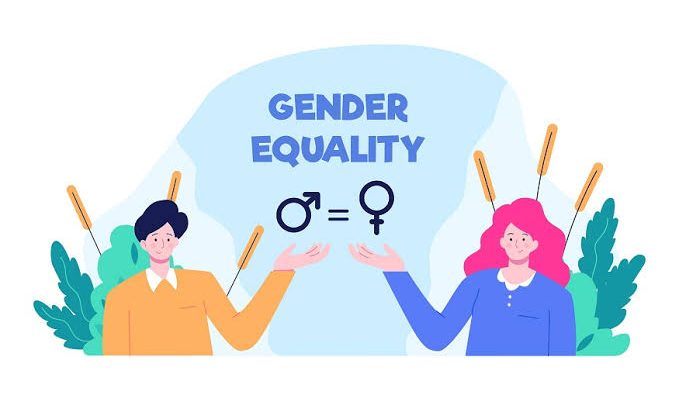
Governments in the country have been urged to shift from formulating policies to implementing policies that promotes gender equality, especially the implementation of the Sustainable Development Goals (SDGs 5), which provides for 40 percent participation of women in decision making.
A scholar at Rivers State University and Director of Research & Development, Prof. Godwin Okon stated this at a 2- Day Symposium organised by the Step-Up For Women In Journalism Initiative (SWIJ) and held at The Quantum Business School, Sani Abacha road, l Port Harcourt, Rivers State.
Professor Okon, who delivered a Keynote address spoke on the topic; “Facilitating the implementation of Gender Policies within the Newsroom and Organisations.”
said despite Nigeria being signatory to gender equality UN proclamations, women participation in political and decision making bodies have remained a far cry.
“Despite women making giant marks in the media and corporate world, the mass media has failed to celebrate such icons, thus allowing continued male domination and focusing more on politics” he said.
In proffering solutions, Prof. Okon called on women in the media to hold the government accountable in the implementation of gender equality policies. He also called on the coalition of female professionals to make themselves seen and visible, cascade the mantra of breed without greed by celebrating female icons, and also mainstream and take bold steps to make a difference.
The programme tagged “Improving Capacity of Women to become Expert Sources for News”, was Supported by the Wole Soyinke Centre for Investigative Journalism (WSCIJ), under its Report Women Programme being funded by Bill and Melinda Gates Foundation.
On her part, the former Commissioner for Information in Rivers State, Mrs. Ibim Semenitari, while speaking on the topic: “Becoming an Expert Source for News; How can to improve visibility and impact on Gender Base Issues’ highlighted gender imbalance as one of the key impediments to women as news sources. She emphasized that female journalists must be intentional in using women as news sources.
She also underscored the need for female journalists to key into the changing trend in journalism by promoting their work on social media.
Semenitari, also former Acting Managing Director of Niger Delta Development Commission (NDDC), added that female journalists must be fresh and innovative, honest and accessible, to make a mark in their career and become news sources.
Also, the Executive Director, Media Career Development Network, (MCDN), Lekan Otufodunrin, while speaking on the topic: “How Journalists can enhance their Career and Professional Opportunities”, said most female journalists are not able to differentiate between their job and career.
According to Otufodunrin, women must have career goals to make impact, starting from being a reporter to taking up big assignments that leads to fellowships and awards which he said must be intentional.
He provided some steps to be taken by journalists who want to make a mark to include; setting career goals, acquiring skills in Artificial intelligence (AI), Social media, relevant trainings and utilization of knowledge acquired through trainings.
In her Address, Executive Director of SWIJ, Ann Godwin, said the gap between the male and female gender had remained glaring. According to her, there are lots of issues affecting women, ranging from poor health facilities to educational system which government has neglected.
While speaking on ‘ Gender Mainstreaming, Why Step-Up Conversation’, Godwin lamented the inadequate women participation in the Nigerian political sphere, especially at the national assembly that has hampered the passage of the Gender Equality Bill.
The birthing of SWIJ, Godwin stated was propelled by the need for female journalists in Rivers State to be more vibrant and able to measure up with their counterparts across Nigeria and beyond. She added that the best way to go ahead is to get started.
Other speakers also challenged female journalists to be more committed and intentional from being the reporter to the reported – news source. They also provided insight on how female journalists can get to the top of their careers.