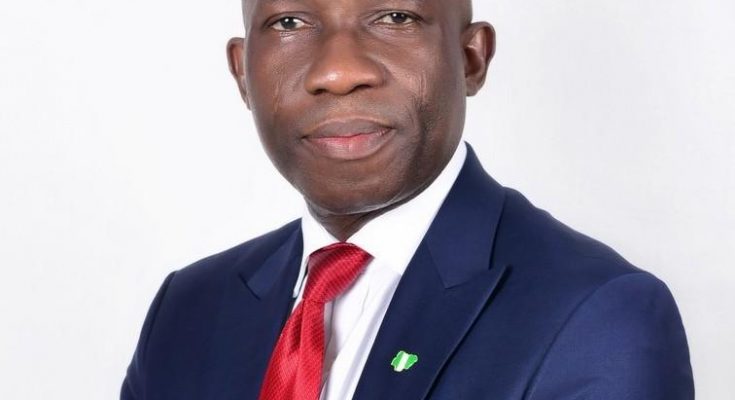

BY JOHN O. ASEIN, DIRECTOR GENERAL, NIGERIAN COPYRIGHT COMMISSION AT THE WEBINAR COMMEMORATING THE ENTRY INTO FORCE OF THE BEIJING TREATY ON AUDIOVISUAL PERFORMANCES, 28 APRIL, 2020
It is my pleasure to welcome you all to this special interactive session commemorating the entry into force of the Beijing Treaty on Audiovisual Performances and to share thoughts on how best to strengthen Nigeria’s creative sector through improved rights for artistes and performers.
ALSO READ: IP key to unlocking scientific potential of traditional knowledge for humanity – NCC DG
Considering how long it took for the emergence of the treaty, member states of WIPO should be congratulated. We note however that it has taken about eight years, from June 2012, when the Treaty was concluded, for it to come into force. This is understandable because the required number of 30 states was only achieved in January this year. It is expected that more countries will now see the need to ratify or accede to the treaty. In my view, the real test of a multilateral treaty is in its broad application in many countries.
Nigeria has already taken steps to domesticate the provisions of the Treaty as part of the broader reform of its copyright system. The Nigerian Copyright Commission has also renewed efforts to strengthen the administration and enforcement of rights for the benefit of all right holders. The Commission is particularly concerned about the loss of revenue in the audiovisual industry and will be working with the guilds, associations and collective management organisation in this area to develop appropriate mechanisms to ensure greater return on creative investment. This might also require looking into various aspects of the industry, including engagement contracts, distribution bottlenecks, online abuses, and rights management issues.
ALSO READ: Full text of NCC DG on IP Day
In recent times we have seen well-known film and television actors faced with health challenges having to appeal to the public for help and support. In many cases the help came in trickles too little too late. The current global pandemic has further amplified the vulnerability of creators – authors, musicians, actors and other performers –– and it underscores the need to have a fallback system to sustain them beyond their active years and especially in time of economic downturn. These are people who generate or bring life to the copyright works that we enjoy but in most cases they do not have access to any form of pension or gratuity.
The need to improve the protection available to audiovisual performers is stronger in today’s digital environment where copyright works are easily retransmitted on various online platforms often without recourse to the right owners or the performers.
Nigeria’s film industry ranks among the top three in the world. This ranking should translate to real economic benefit and enhanced status for the performers who stand before the lights and cameras transforming scripts to action.
It is therefore my hope that this Webinar will provide us with initial thoughts on how the balanced application of the provisions of the treaty could help us achieve its laudable objectives.
ALSO READ: Our position on 5G, COVID -19 and Security by NCC
Once again I welcome everyone and assure you that the conversation will continue even after this event. You may send us your comments or questions and any suggestions on how to add value to the audiovisual industry in Nigeria.
I look forward to a wonderful interactive session and I thank you for joining in.