
Petrol hike: NURTW urges govt. to curb transport costs
Petrol
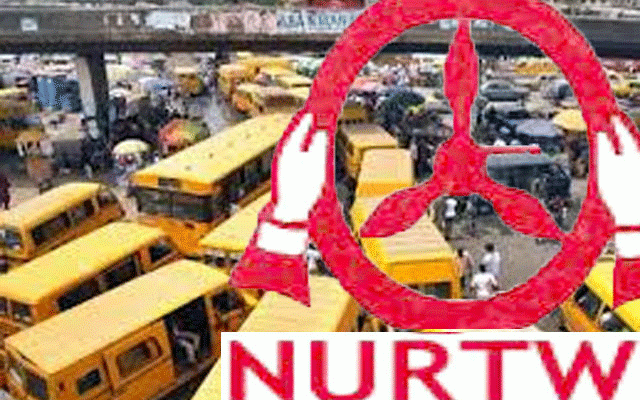
The National Union of Road Transport Workers (NURTW) has urged the Federal Government to address rising petrol price and its impact on transportation costs.
NURTW Chairman, Ikole-Ekiti Unit, Mr Tajudeen Ojo, made the appeal in an interview with the News Agency of Nigeria (NAN) on Saturday in Ikole-Ekiti.
Ojo said the increased cost of petrol had put additional pressure on commercial transport operators and commuters.
He said petrol, currently sold for N1,400 per litre at filling stations in Ekiti, had significantly increased the cost of operating commercial vehicles.
According to him, transport operators now spend more on fuel while also contending with rising maintenance and spare parts costs.
He said the development had made it difficult for transporters to maintain existing fares without operating at a loss.
“The increase in the price of petrol is affecting both transporters and passengers. We buy petrol at N1,400 per litre, and this has increased our daily operating expenses.
“We understand the hardship faced by commuters, but transport operators are also affected by rising fuel and vehicle maintenance costs,” he said.
Ojo appealed to the government and relevant stakeholders to explore measures to stabilise petrol prices and reduce pressure on transport operators and Nigerians.
He said measures capable of reducing transportation costs would also help cushion the effect of rising prices of food and other essential commodities.
The NURTW chairman urged transport operators to remain considerate in adjusting fares, noting that commuters were equally struggling with the prevailing economic situation.
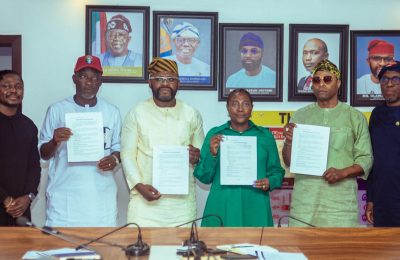
Read Also:NURTW, RTEAN Sign Historic Agreement to Drive Lagos Bus Industry Transition Programme
Atiku’s subsidy campaign is a return to fuel queues, cancelation of minimum wage-APC Chairman
NAN reports that petrol prices spiked to N1,400 per litre in parts of the country.
Oil prices often rise or fluctuate due to several factors affecting the global market and the cost of production.
The impact is often felt in Nigeria, as transportation cost and the prices of goods and services soar, increasing hardship in the country. (NAN)