
By Abdulaziz Abdulaziz
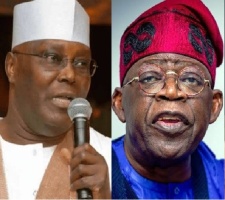
Atiku Abubakar’s promise to restore fuel subsidies if elected may sound politically appealing, but it raises serious questions about fiscal sustainability that Nigerians deserve to have answered.
The central issue is not whether subsidy sounds attractive. The real question is: how much would the government actually spend to sustain it, and where would the money come from?
Nigeria currently consumes roughly 47.4 million litres of petrol per day, according to NMDPRA figures. At that level of consumption, even a relatively modest subsidy would translate into an enormous financial obligation. If petrol were subsidised back to ₦300 per litre, for instance, the government could face subsidy costs running into hundreds of billions of naira every month, depending on the prevailing market price.
That leads to a fundamental question for Atiku and his supporters: what would be the financing model?
Nigeria’s revenue position has improved following the removal of the petrol subsidy, but those additional revenues are already needed to fund essential government responsibilities. If a substantial portion of monthly federal revenue were redirected to subsidising petrol, what would happen to salaries, security spending, infrastructure, education, healthcare and other public services?
What would happen to states that depend heavily on federal allocations to pay workers and provide basic services? How much fiscal space would remain for programmes such as student financing through NELFUND, youth employment initiatives and other social interventions?
There is also a broader economic question.
Reintroducing a large-scale fuel subsidy could place renewed pressure on government finances, weaken fiscal stability and recreate many of the distortions that made the subsidy regime increasingly difficult to sustain in the first place.
Read Also:Troops foil Lakurawa terrorists attack in Sokoto border community
Senate gives Seplat Energy, others 48-hour deadline
Subsidy:FG Records N15.8trn Savings from June 2023 to December 2025-Oyedele
This is why Nigerians should look beyond political slogans and ask for the numbers.
If Atiku intends to restore the subsidy, Nigerians deserve to know exactly how much it will cost, where the money will come from, what programmes will be sacrificed to fund it, and how the policy will affect the country’s broader economic stability.
Fuel subsidies may be popular as a political message, but governing a country requires more than promising cheaper petrol. It requires a credible, transparent and financially sustainable plan.
Nigerians should therefore judge political promises not merely by how pleasing they sound, but by whether the numbers behind them actually add up.
— Abdulaziz Abdulaziz
Senior Special Assistant to the President on Media and Publicity