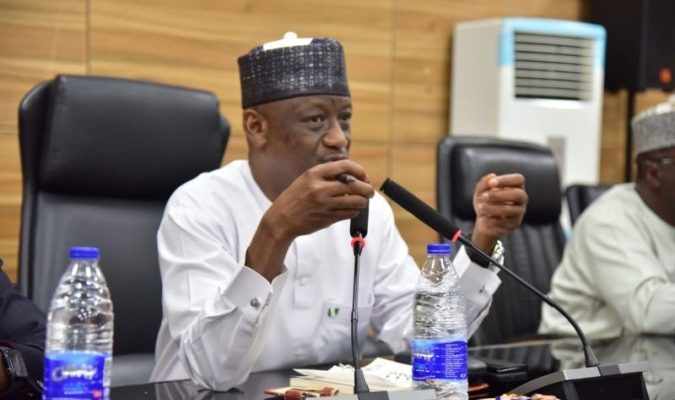

NISO CEO Abdu Mohammed Bello
Residents of Adamawa, Gombe, Bauchi, Borno, and Yobe States are bracing for extended periods of darkness as the Nigerian Independent System Operator (NISO) has scheduled a major outage on the Jos–Gombe 330kV transmission line from April 9 to May 2, 2026.
The outage, according to NISO, will occur every Thursday through Sunday between 9:00 am and 6:00 pm, and is aimed at installing Optical Ground Wire (OPGW) fibre optic infrastructure along the line.
NISO said the upgrade is critical for strengthening grid operations, improving real-time monitoring, fault detection, load balancing, and overall energy delivery across the region.
However, while supply will be partially maintained through existing 132kV transmission lines, customers should expect significant reductions in power, with many areas likely plunged into intermittent darkness during the outage window due to network constraints and limited capacity.
“We are working closely with Jos and Yola Distribution Companies, as well as the Transmission Company of Nigeria (TCN), to manage outages across feeders, distribution substations, and customer clusters within the stipulated timeframe,” NISO stated.
The agency’s Managing Director and Chief Executive Officer, Mr. Abdu Mohammed Bello, acknowledged the broader challenge of electricity losses, noting that the organisation had previously faced transmission losses close to 10 per cent, costing N5–N8 billion monthly.
Through concerted efforts over the past year, NISO has reduced losses to 7.05 percent, with further reductions targeted to five or six percent.
Also Read:Nationwide Blackout as national grid collapses
Power Legacy Debts:Tinubu approves N3.3Trillion payment plan to restore Electricity
“These interventions are contributing to improved system discipline and reliability, but the reality is that even with upgrades, sections of our grid will experience power scarcity,” Bello said.
NISO has also emphasized the strides made in electricity market development, data transparency, and coordination among market participants, all aimed at ensuring more reliable operations in the long term. Yet, for residents facing immediate outages, the looming darkness serves as a stark reminder of the fragility of Nigeria’s power supply.
Upon completion of the upgrade, NISO expects enhanced quality and reliability of electricity, better grid coordination, and strengthened load management—turning today’s shadowed hours into a foundation for a brighter, more resilient energy future. (The Sun)