Renowned environmentalist Rev. Nnimmo Bassey who recently turned 60 was celebrated at an event organised by a non-governmental organisation, CEE-HOPE, in Lagos. Executive Director of the organisation, Betty Abah is among the many beneficiaries of Bassey’s mentorship and decided to celebrate him. The environmentalist who expressed gratitude at the event which came to him as a surprised also expressed worry over the filthy nature of cities around Nigeria. He also assured Nigerians that the Ogoni cleanup project the Federal Government is championing is real and would solve pollution problems in the oil producing Ogoni land. DAYO EMMANUEL here reports. Excerpts:
How does it feel to be 60?
It’s a privilege to be 60 because life expectancy is now very low, in the Niger Delta its only 41 years so when you get to 60 you are almost like an ancestor so to me it is a privilege.
Recently the Federal Government commenced plans to clean up the Ogoni area of the Niger Delta polluted by oil exploration; a plan that is being criticized by some Nigerians. You are on the board of this exercise which some have called a photo-trick. How real is this project?
I would not be a part of anything that is just a mere show. The process for the cleanup is real and the expected funding is available. You know people think when you are doing a cleanup of that scale you would just take shovel and get people to the place and start digging around. It is not so done. There is a lot of processes before you can start the actual cleanup. Before you can give out the contract, you have to know the quantity, so consultants at this time are preparing a documentation that the pre-qualified contractors can quote. The job can be based on something that can be verifiable, so you know what each company is expected to do and when they do, it can be certify that they have done it. There is a whole lot of preliminary things that should be done that is being done. If you want to build a house you have to design the house, survey the land, get an estimate of the construction and get those who would build it. You don’t just wake up someday and say you want to build a house. I know the process could be faster but I don’t think there is anywhere in the world where a cleanup of this magnitude has even been carried out. The pollution has been very expansive and we are talking of only Ogoni land, imagine when the cleanup of the whole Niger Delta is to be done, we need a thorough preparation. We also need to train the people who would participate in the process so if you say we want to clean up and we want to begin tomorrow you have to import all the labourers, all the people that will participate in the process. The process of cleanup is something that takes time, but there are things that can be visible and that was the demonstration by the contractors; how the clean up would be done. The Ogoni cleanup study was done in 2011 and in some places it was said that the pollution had gone five metres into the ground. Through the demonstration done late last year and early this year, we found that the pollution has gone deeper than what was discovered in 2011. If you awarded a cleanup contract based on the estimate that was done seven years ago, you would discover it is going to be like a normal Nigerian contract and you begin a process to start doing variation again and change all the prices. What has been happening is that there has been very careful preparatory process where work is being done properly and I think that there are lots of people of integrity in the process.
Are we expecting local contractors in the process?
Yes there are. You know there was a pre-qualification call and I think over 400 contractors both international and local contractors are on board. Close to 170 or thereabout have been qualified. They are foreign and indigenous contractors on the project. It is a mix. There are things that the local contractors can do; each company is going to be judged according to their capacity and according to their track rerecords.
Are we sure after this cleanup, in years to come we won’t be talking about another cleanup because of another pollution? Are there measures to stop this recurring pollution totally?
Somebody has said you can’t mop the floor when the tap is running. Now the oil extraction process is extremely polluting. As we speak there is some oil spill going on either in Bayelsa or Delta or somewhere around there, so there’s always pollution ongoing. What needs to be done and what must be done is to ensure oil corporations behave responsibly that they keep their equipment in top working conditions and that they replace the pipelines when they come to the expiration of their life span. If this is not done, of course there would be cleaning up and there would be new pollution, then it means it’s not sustainable. So the efforts being made now is to ensure that there is no new pollution and that when there is a new pollution it is identified immediately and cleaned up immediately.
Driving round Lagos today you’ll see heaps of wastes all over the streets, as an environmentalist what comes to your mind and what is the implication of this trend of filth?
The issue of waste management is a national thing and not just about Lagos. This is one of the smallest things to do about the environment; taking care of solid wastes and the fact that we don’t handle these very easily handled things speaks volume about the state of our environment. So it is a big shame on the government across the land; the local government and state government because if you cannot take care of waste what can you take care of?
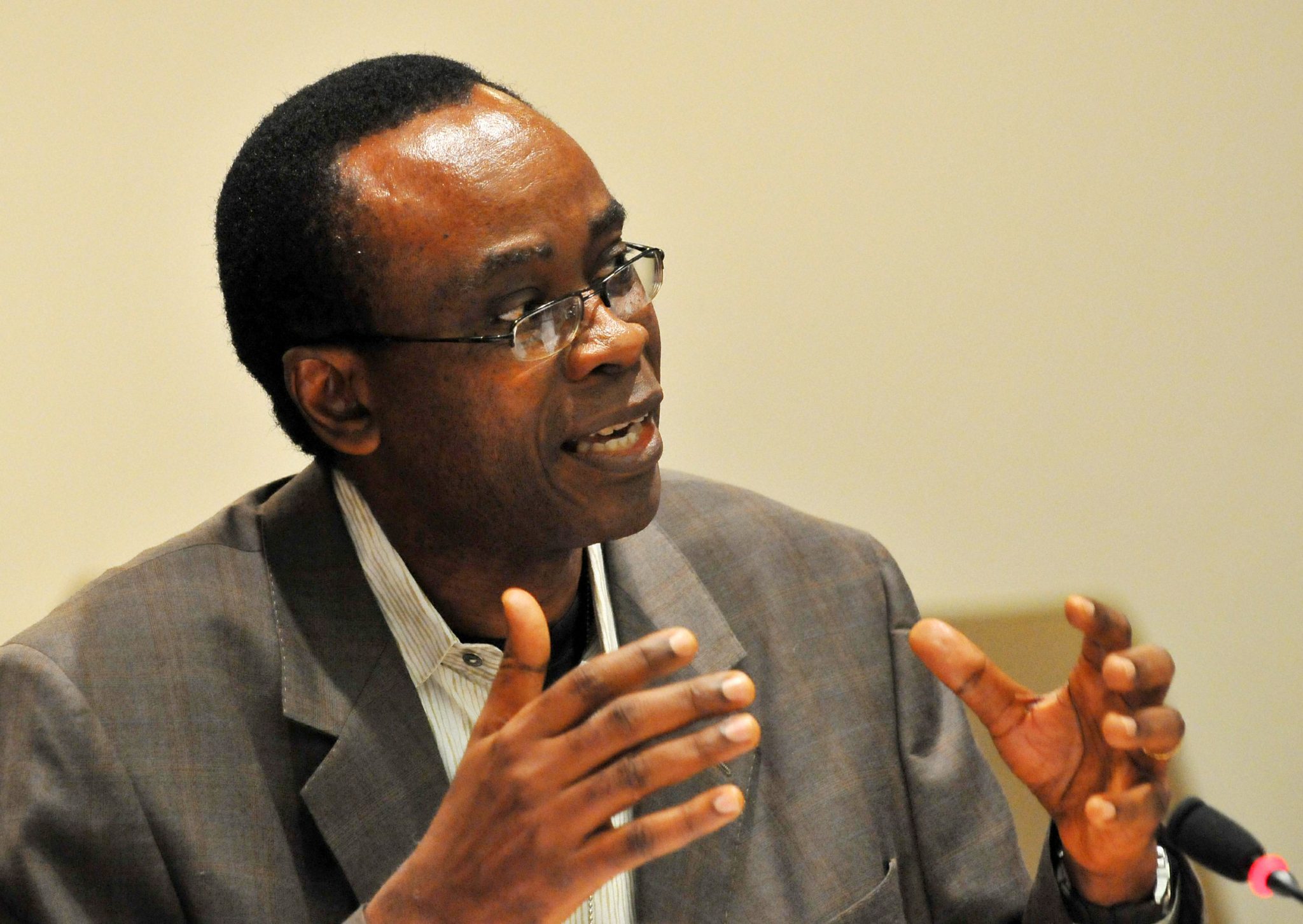
Ogoni cleanup not a fluke – Nnimmo Bassey

To Receive FREE Newdawn News Online on your phone, text your number to +2348104502834
Previous PostOsun Gov Update: Voting in progress in all parts of the state
Next PostSouthern Cameroonian refuges in Nigeria cry for help